
Introduction:
Starting therapy can feel like a hurdle before it even begins. You have to find a clinician, fit appointments around work or caregiving, and work out what it will cost. Therapy platforms, meaning websites and apps that connect you with a licensed professional by video, phone ,or message, or that offer structured self-help programs, have become a common way around some of those obstacles.
Most people who search for this topic are asking practical questions. Will it actually help? Is it safe? How do I choose one? This guide answers those questions for readers in the United States, Canada and the United Kingdom. It explains how therapy platforms work, what the research does and does not show, who they tend to suit, what to check before you sign up, and when you need more support than a platform can give.
This article is general education, not personal medical advice. If you are struggling right now, skip to the section on when to seek urgent help.

What are therapy platforms and how do they work?
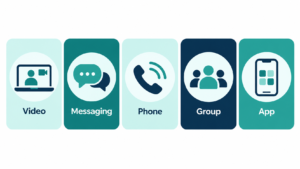
Online therapy, sometimes called teletherapy or e-therapy, means speaking with a licensed mental health professional, such as a psychologist, counselor or psychiatrist, through an online service. A guide from Regain (a site operated by the therapy company BetterHelp) describes three common formats: text-based messaging, which can happen at different times for you and the therapist; video sessions; and phone sessions.
A therapy platform is the delivery channel, not the treatment itself. The platform handles scheduling, payment and the technology. The quality of care depends on the clinician and the approach they use. That distinction matters because “therapy platform” is also used loosely for products that are not therapy with a clinician at all.
| Type | What it offers | Worth knowing |
|---|---|---|
| Live video or phone therapy | Scheduled sessions with a licensed therapist | The closest format to in-person sessions |
| Messaging-based therapy | Written exchanges with a therapist, often not in real time | Ask how quickly replies come and whether live sessions are included |
| Self-guided app programs | Exercises based on methods such as cognitive behavioral therapy (CBT), mood tracking, mindfulness | Useful as practice or support, but not the same as working with a clinician |
| Group or peer support | Group sessions or online communities | Find out who leads the group and whether they are a licensed professional |
| AI chatbots | Automated conversation | Not a licensed professional; see the FAQ below |
What does the research say about therapy platforms?
The evidence is encouraging, but it is more specific than headlines suggest. A review published in Health Care Science in June 2025 looked at digital mental health tools, including smartphone apps, web-based therapy systems, wearables, AI tools and virtual reality. It drew on randomized controlled trials, cohort studies, cross-sectional studies, systematic reviews and meta-analyses published after 2010.
The authors reported that apps built around CBT methods, mood monitoring and mindfulness exercises have been shown to reduce symptoms of anxiety, depression and stress. They also concluded that online therapy platforms let people who face barriers to care get therapy remotely. At the same time, they named three ongoing challenges: data privacy, limited evidence of long-term benefit, and unequal access to technology.
Two cautions apply. First, this is a review of other studies, so its conclusions are only as strong as the research behind them. Second, “digital tools” covers very different products. Results for one app or service do not automatically carry over to another.
The Regain guide also notes that randomized trials suggest internet-based interventions may effectively treat depression and anxiety disorders, and that some research finds online therapy can be as effective as in-person therapy. Because Regain is operated by a therapy provider, read that as a summary rather than independent evidence.
| Claim | Where the evidence stands |
|---|---|
| Structured, CBT-style digital programs can reduce anxiety, depression and stress symptoms | Supported by the studies in the 2025 review |
| Online platforms widen access to therapy | Supported by the same review |
| Benefits last over the long term | Limited or uncertain |
| AI chatbots can replace a therapist | Not established; early research suggests promise for quick support |
What are the practical benefits?
The benefits most often cited are practical ones, and they are real for many people. Our guide to the benefits of online therapy platforms goes deeper, but the main points are these.
- Access. With a stable internet connection and a phone, tablet or computer, you can reach a therapist from home. That can matter for people in remote areas, people with mobility limits, and caregivers who cannot easily leave the house.
- Comfort. Some people find it easier to open up from a familiar space than in an office.
- Scheduling. Many services offer evening and weekend appointments, which can make regular attendance easier. Consistency is part of what makes therapy work.
- Cost. Online options are often cheaper than in-person care, partly because therapists have lower overhead, and some platforms use subscriptions or sliding-scale fees. Prices still vary widely, so compare before committing.
Coverage depends on where you live. In England, NHS Talking Therapies services are free and you can usually refer yourself. In the United States, insurance coverage for online therapy differs by plan and state. In Canada, many private-practice therapy costs are not covered by provincial health plans, so employer benefits are worth checking. Confirm details with your plan or provider before you book.
What are the limits and risks?
Therapy platforms are not right for every person or every situation. Being clear about the limits is part of using them well.
They may not be enough for intensive needs. The Regain guide notes that people who need more intensive support, or who lack a reliable internet connection, may not find online therapy suitable. If your symptoms are severe, are getting worse, or are affecting your ability to function day to day, ask a doctor or in-person service whether you need a higher level of care.
Privacy deserves a closer look. Therapy involves sensitive information, and the 2025 review lists data privacy among the main challenges for digital mental health tools. Laws differ across the United States, Canada and the United Kingdom, and not every wellness app is covered by the same rules as a clinic. Read the privacy policy and look for what data is collected, how long it is kept, and whether it is shared with advertisers or other companies.
Access is not equal. The same review points to technological inequality. A platform that needs fast internet and a private room will not work for everyone.
Where your therapist is licensed matters. Professional licensing rules differ by state, province and country, and a clinician is generally expected to be registered where you are located. Check this before your first session.
Not every platform prescribes medication. Therapists and counselors generally do not prescribe. If you think medication might be part of your care, ask the platform whether a prescriber is available or speak to your doctor.
Long-term results are less certain. The review describes limited long-term evidence, so treat digital tools as one part of care and check in regularly on whether you are improving.
How do you choose a therapy platform?
There is no single best platform for everyone, so it helps to start with what you need: the concern you want help with, the format you prefer, and what you can afford. Our step-by-step guide on how to choose the right therapy platform covers this in more detail. Use the checklist below as a starting point.
| What to check | Why it matters |
|---|---|
| Clinician credentials | Confirm the therapist is licensed or registered where you live: through your state licensing board, your provincial regulatory college, or, in the UK, a recognized register such as the HCPC, BACP or UKCP |
| Approach and focus | Ask which methods the therapist uses, such as CBT, and whether they have experience with your concern |
| Format and schedule | Live video, phone and messaging suit different people; check reply times for message-based services |
| Cost and coverage | Compare per-session and subscription prices, cancellation terms, and what your insurance or employer plan covers |
| Privacy | Look at what data is collected, stored and shared, and how session records are handled |
| Changing therapists | Fit matters, so check how easy it is to switch if the first match is not right |
| Emergency plan | A responsible service explains what it can and cannot do in a crisis |

How can you get the most from online sessions?
The Regain guide offers five strategies, and they hold up as common-sense advice for any kind of therapy. Here they are with a few practical additions.
- Know your goals. Write down what you want to work on before the first session. A short list helps you stay focused and helps the therapist understand your needs.
- Look for a good fit. You should feel reasonably comfortable with your therapist. If you do not after a few sessions, it is fine to try someone else.
- Try different approaches. Online services offer methods from CBT to psychodynamic therapy. You may need to try more than one to find what suits you.
- Be open and honest. Candid conversation builds trust and lets the therapist tailor the plan to you.
- Build supportive routines. Exercise, mindfulness and other self-care habits can sit alongside therapy.
A few practical steps help too. Test your connection and device before the first session. Choose a private spot and use headphones if others are nearby. Keep appointments consistent, and keep a note of what you want to raise next time.
If you are not seeing any benefit after a reasonable period, say so. Raising it with your therapist is a useful conversation, and a good clinician will welcome it.
What are the red flags in a therapist or platform?
Most therapists and platforms act professionally. These signs, though, are reasons to pause, ask questions, or switch.
- No license or registration you can verify.
- Promises of a cure or guaranteed results. Therapy does not come with guarantees.
- Pressure to sign up for long plans, buy extras, or keep going when you want to stop.
- Boundary problems, such as romantic or sexual comments, requests for money or favors, or contact that feels personal rather than professional.
- Sharing your information without your consent, outside the limits that the law and professional rules allow.
- Dismissing your concerns, judging you, or discouraging you from seeking other support.
- Seeming distracted or unprepared. A therapist who falls asleep or repeatedly drifts off during a session is not providing proper care. Raise it, and switch if it continues.
- A platform that is vague about who its clinicians are, how it handles data, or what happens in an emergency.
Trust your sense of whether you feel safe and heard. Needing time to build rapport is normal. Feeling unsafe or pressured is not.
When to seek urgent help
Therapy platforms are generally not designed for emergencies. If you are thinking about harming yourself or someone else, or you feel you cannot keep yourself safe, contact emergency services or a crisis line now rather than waiting for a platform reply or your next session.
| Country | Emergency | Crisis support |
|---|---|---|
| United States | 911 | Call or text 988, the Suicide and Crisis Lifeline |
| Canada | 911 | Call or text 9-8-8, the Suicide Crisis Helpline |
| United Kingdom | 999 | Samaritans on 116 123 (free, any time); for urgent non-emergency advice, contact your GP or NHS 111 |
If you are supporting someone else who is in crisis, these services can also advise you. For ongoing but non-urgent concerns, a GP, family doctor or local mental health service is a good starting point.
Frequently asked questions
Can ChatGPT or another AI chatbot be my therapist?
No. General-purpose AI chatbots are not licensed clinicians, cannot diagnose you, and are not equipped to manage a crisis. The 2025 review describes chatbots built for mental health as showing promise for quick support, which is different from replacing a therapist. If you use one, treat it as a tool for reflection or practice, and see a licensed professional for treatment decisions.
What is the highest-rated online therapy platform?
There is no single answer. Ratings depend on who is doing the rating, what they measure, and sometimes on commercial relationships, and the best choice depends on your needs, location and budget. Compare services using the checklist above, and give extra weight to clinician credentials, privacy practices and how easily you can change therapists.
What are good apps for group therapy?
Look at the type of service rather than a brand name. Some platforms offer groups led by licensed clinicians, while others host peer-support communities. Both can help, but they are different. Ask who leads the group, how many people join, how members are screened, what the confidentiality expectations are, and what happens if someone is in crisis.
What is a red flag for a therapist?
Common examples include no verifiable license, promises of a cure, boundary violations, pressure to keep paying, and dismissive or judgmental behavior. The full list is in the red flags section above.
What is the 3-3-3 rule in mental health?
It is a grounding exercise that many people use when they feel anxious. You name three things you can see, identify three sounds you can hear, and move three parts of your body. It is a coping technique, not a treatment, and it does not replace professional care for persistent anxiety.
What is the “2-year rule” for therapists?
There is no single, universal “2-year rule” for therapists or therapy platforms. The phrase most often comes up in professional ethics. For example, the American Psychological Association’s ethics code sets a minimum two-year wait after therapy ends before a psychologist may have a sexual relationship with a former client, and even then treats it as appropriate only in very unusual circumstances. Rules differ by profession and region, so check the code of your therapist’s licensing body.
What can you not tell a counselor?
You can talk about almost anything, and honesty helps. The main limit is confidentiality. Counselors can be required or permitted to share information if there is a serious risk of harm to you or someone else, or concerns about child abuse, and exact rules vary by country, state and province. Ask your therapist at the start how confidentiality works and what its limits are.
Conclusion
Therapy platforms can make mental health care easier to start and easier to keep up, especially if distance, schedules or cost have been in the way. The research so far is encouraging for common concerns such as anxiety and depression, particularly with structured approaches like CBT. It is less certain about long-term results, and “therapy platform” covers products of very different quality.
The most useful steps are simple: confirm your therapist’s credentials, check how your data is handled, choose a format you will stick with, be honest about your goals, and review your progress after a few sessions. If a platform stops fitting your needs, or your symptoms need more than it can offer, moving to a different service or to in-person care is part of a sensible plan, not a failure.
Sources
- Anser MK, Nabi AA, Ahmad I, Abro MMQ, Zaman K. Advancing Mental Health Care: A Comprehensive Review of Digital Tools and Technologies for Enhancing Diagnosis, Treatment, and Wellness. Health Care Science, June 2025.
- Regain Editorial Team. How to Enhance Your Online Therapy Sessions and Your Mental Health. Updated March 18, 2026. Regain is operated by BetterHelp.