Introduction
Let’s be honest. The last time most of us sat in a waiting room, fluorescent lights humming overhead, a magazine from three years ago in our lap we quietly thought: there has to be a better way. Turns out, there is. In fact, there are ten of them.
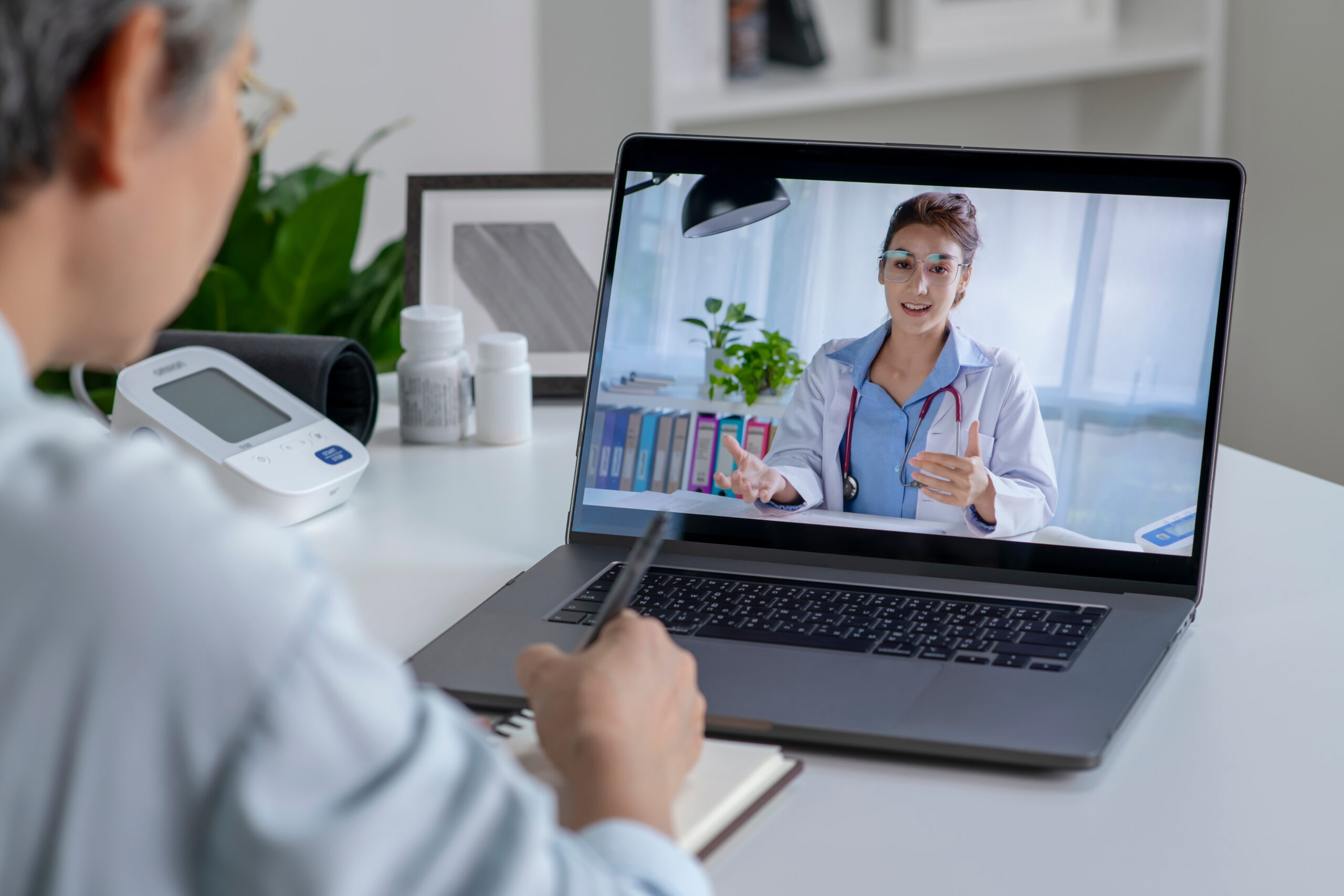
Digital health has quietly staged one of the most significant revolutions in modern medicine, reshaping how millions of people in the United States, Canada, and the United Kingdom access care. We’re no longer limited to catching whatever appointment slot opened up on a Tuesday afternoon. Today, a board-certified physician is a tap away. A prescription can arrive at your door before the day is out. Your mental health therapist can meet you on your lunch break no commute required.
Whether you’re a 28-year-old professional in Toronto trying to figure out if you need antibiotics, or a 55-year-old executive in London wondering how to manage a repeat prescription without seeing your GP in person, online health tools have something genuinely useful to offer you.
Here are the 10 best online health tools you should try and exactly why each one earns its place on this list.
What Is Online Health, and Why Does It Matter?
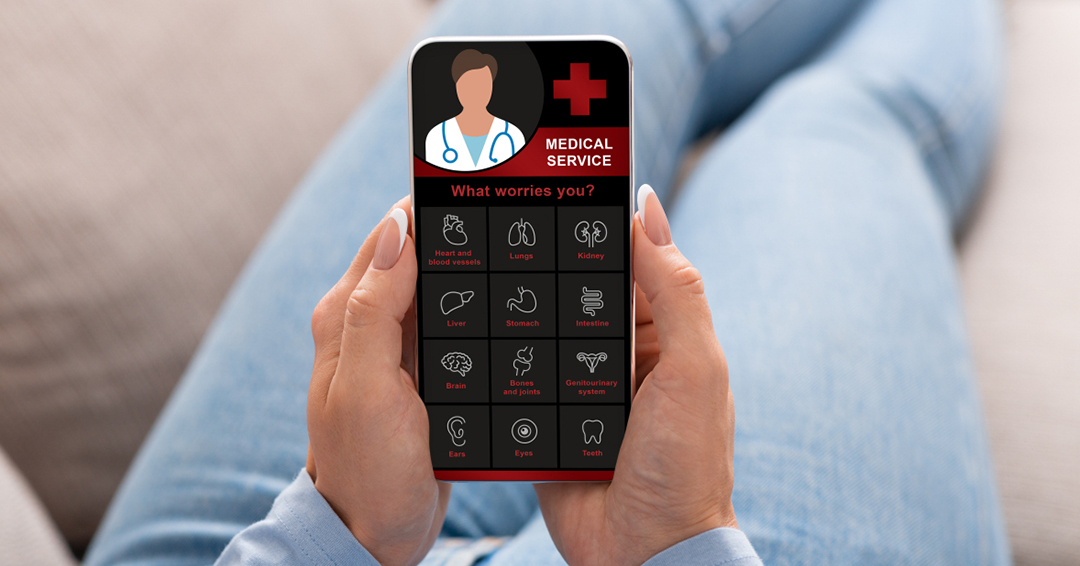
Before we dive into the tools themselves, it’s worth grounding ourselves in what we actually mean by “online health.” At its core, online health sometimes called digital health or telehealth refers to the use of digital technologies to deliver, manage, and improve health services and information. Think virtual consultations, health-tracking apps, AI-powered symptom checkers, and online pharmacy platforms.
The benefits are compelling. Digital health tools are revolutionizing healthcare by reducing barriers to access, cutting down on unnecessary in-person visits, and empowering patients to take a more active role in managing their own wellbeing. For populations across North America and the UK where healthcare systems are under considerable strain these tools aren’t a luxury. Increasingly, they’re a lifeline.
The 10 Best Online Health Tools You Should Try
1. Teladoc Health: The Gold Standard for Virtual Consultations
If online health had a flagship product, Teladoc would be it. Operating across the US and Canada, Teladoc connects you with licensed physicians, mental health professionals, and specialists often within minutes. Conditions that can be addressed online include respiratory infections, skin conditions, anxiety, depression, and a wide range of chronic disease management needs.
Why it works: Teladoc doesn’t just offer convenience it offers continuity. You can see the same provider repeatedly, build a relationship, and receive care that feels coherent rather than transactional.
Best for: Busy professionals, people in rural areas, and anyone who needs care outside of traditional office hours.
Availability: United States, Canada
| Feature | Details |
|---|---|
| Consultation type | Video, phone, messaging |
| Average wait time | Under 10 minutes |
| Prescription capability | Yes (where legally permitted) |
| Mental health support | Yes |
| Cost (US) | From $0 with insurance / ~$75 without |
2. Push Doctor: The UK’s Most Trusted Online GP Service
For readers in the United Kingdom, Push Doctor is perhaps the most seamless way to access a qualified GP online. Operating alongside not instead of the NHS, Push Doctor connects you with UK-registered doctors for same-day appointments, sick notes, referrals, and yes, prescriptions.
Can an online GP prescribe medicine? Absolutely. Licensed online GPs in the UK can issue private prescriptions for a wide range of medications, which can be sent directly to a pharmacy of your choice. What they cannot prescribe includes controlled drugs and certain high-risk medications that require in-person assessment.
What about the NHS App? It’s worth noting that if you’re NHS-registered, the NHS App itself has become an increasingly powerful tool allowing you to book GP appointments, order repeat prescriptions, and view your medical records. The question many patients ask is: do biopsy results go on the NHS App? The short answer is that test results, including some pathology reports, are increasingly being made available via the app, though access depends on your GP surgery’s system settings.
Best for: UK residents who want rapid GP access without waiting weeks for an NHS appointment.
3. Maple: Canada’s Premier Virtual Care Platform
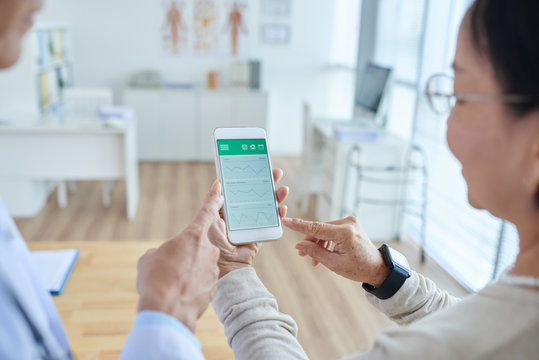
In Canada, Maple has emerged as the leading platform for virtual healthcare and for good reason. Available across all provinces, Maple connects patients with Canadian-licensed physicians 24/7, with an average wait time of under two minutes.
Are online doctors free in Ontario? This is one of the most searched questions among Canadian users, and the answer has evolved. As of recent updates, some virtual care services in Ontario are covered under OHIP, though coverage depends on the nature of the visit and the platform. Maple offers both OHIP-covered consultations and private-pay options, making it flexible for a range of needs.
What conditions can online doctors treat? More than you might expect. Through platforms like Maple, physicians can diagnose and treat:
- Cold, flu, and respiratory infections
- UTIs and other common infections
- Skin conditions (rashes, acne, eczema)
- Mental health concerns (anxiety, depression)
- Prescription renewals and medication management
- Referrals to specialists
Availability: All Canadian provinces
4. Babylon Health: AI Meets Clinical Expertise
Babylon Health operates at the fascinating intersection of artificial intelligence and clinical care. Its AI-powered symptom checker one of the most sophisticated of its kind asks you a series of questions about your symptoms and generates a triage recommendation: whether to seek emergency care, see a doctor soon, or manage the issue at home.
Studies and industry reports have identified Babylon among the most advanced digital health platforms available to practitioners and consumers alike, noting its diagnostic accuracy continues to improve as the underlying models are refined.
What symptoms should not be ignored? Babylon’s triage tool is specifically designed to flag red flags symptoms that warrant urgent care regardless of how mild they might feel. These include chest pain, sudden severe headache, difficulty breathing, signs of stroke, and unexplained significant weight loss. The AI won’t brush these off, and neither should you.
Best for: First-pass symptom assessment, health education, and connecting to follow-up care.
Availability: UK, US, Canada (availability varies by region)
5. WebMD: The World’s Most Trusted Health Information Resource
Sometimes the most powerful online health tool isn’t one that connects you to a doctor it’s one that helps you become a more informed patient before you get there. WebMD has, for decades, occupied that role with remarkable authority.
What is the most trusted medical website? WebMD consistently ranks at the top of this conversation, alongside Mayo Clinic and the NHS website. Its combination of peer-reviewed medical content, physician oversight, and comprehensive symptom checker has made it the first port of call for health queries across the English-speaking world.
Where WebMD genuinely shines is in its depth. Want to understand what your cholesterol numbers actually mean? It’s there. Wondering about the side effects of a new medication your doctor prescribed? It’s there. Trying to understand the difference between a tension headache and a migraine before you call your GP? It’s there.
Pro tip: Use WebMD to prepare for appointments, not to replace them. It’s the difference between walking into your doctor’s office informed versus walking in alarmed.
6. Hims & Hers: Rewriting the Script on Sensitive Health Topics
There are health topics most of us would rather not discuss in a crowded waiting room. Hims & Hers was built precisely for those moments. The platform specializes in conditions that carry unwarranted stigma: erectile dysfunction, hair loss, mental health, sexual health, and skincare all handled via discreet online consultations with licensed providers.
You fill out a medical questionnaire, a clinician reviews it, and if appropriate, a treatment plan is created and your medication shipped directly to your door. No awkward pharmacy counter conversations required.
According to leading medical app review platforms, platforms like Hims & Hers have been instrumental in increasing treatment rates for conditions that were historically undertreated due to embarrassment or access barriers.
Best for: Adults seeking discreet, judgment-free care for sensitive health conditions.
Availability: US, UK
7. MyFitnessPal: The World’s Most Popular Health Tracking Tool
Not every online health tool needs to connect you to a physician. Sometimes, the most transformative health technology is the one that changes your daily habits quietly, consistently, over time.
MyFitnessPal has built an empire on that premise. With a database of over 14 million foods, a barcode scanner for instant nutritional lookup, integration with virtually every fitness wearable on the market, and a community of hundreds of millions of users, it remains the definitive nutrition and activity tracking tool.
Why it belongs on this list: Chronic diseases type 2 diabetes, cardiovascular disease, hypertension are significantly influenced by lifestyle factors. A tool that helps you understand what you’re eating, how it affects your body, and how to make incremental improvements isn’t just a fitness app. It’s preventive medicine.
Best for: Anyone managing weight, a chronic condition, or simply trying to build healthier habits.
Availability: US, UK, Canada, and global
8. Calm & Headspace: Mental Health Doesn’t Need a Waiting List

Mental health is health. And yet, in the US, Canada, and UK alike, access to mental health support remains one of the most significant gaps in healthcare provision. Waiting lists for NHS talking therapies in England can stretch to months. In Canada, psychiatrist shortages are well-documented. In the US, cost remains a prohibitive barrier for millions.
Calm and Headspace the two most downloaded mental wellness apps in the world don’t replace clinical mental health care. But they fill a critical gap, offering guided meditation, sleep support, anxiety management tools, and breathing exercises that are grounded in evidence-based practice.
What are the benefits of virtual health for mental wellness? Research consistently shows that even brief, regular mindfulness practice can reduce symptoms of anxiety and depression, improve sleep quality, and build emotional resilience. These apps make those practices accessible in three minutes on a lunch break.
Best for: Anyone managing everyday stress, anxiety, or sleep issues and a valuable complement to formal therapy.
Availability: Global
| App | Monthly Cost | Sleep Content | Clinical Backing |
|---|---|---|---|
| Calm | ~$14.99/month | Yes | Strong |
| Headspace | ~$12.99/month | Yes | Strong |
| Both offer free tiers | — | Limited | — |
9. Wisp: Online Women’s Health, Done Right
Women’s health has, historically, been underserved in research, in clinical attention, and in digital health platforms. Wisp is a notable exception. The platform focuses exclusively on women’s reproductive and sexual health, offering online consultations and prescriptions for birth control, yeast infections, bacterial vaginosis, UTIs, and STI treatment.
Can an online doctor give you a prescription? On platforms like Wisp, yes and the process is remarkably straightforward. A licensed provider reviews your intake form, and if clinically appropriate, issues a prescription that can be picked up at your local pharmacy or delivered to your door. The entire process can take less than an hour.
Best for: Women seeking fast, discreet reproductive health care without the wait.
Availability: US (expanding)
10. Dokeos / E-Learning Health Platforms : For Continuous Health Education

Our final entry is perhaps the most underrated category on this list. Digital health e-learning platforms — tools like Dokeos are transforming not just how patients learn about their health, but how healthcare professionals continue their education and stay current with best practices.
For patients managing chronic conditions, understanding your own health is genuinely empowering. Platforms offering structured health education on diabetes management, cardiovascular risk reduction, cancer screening, and more help bridge the gap between a brief appointment and the ongoing self-management that chronic disease requires.
What is an example of digital health in education? A diabetic patient completing a structured online module on carbohydrate counting. A nurse practitioner completing an accredited online course on telehealth clinical standards. A caregiver learning how to manage a parent’s dementia at home. All of these are digital health in action.
Best for: Patients with chronic conditions, caregivers, and healthcare professionals.
How to Choose the Right Online Health Tool for You
With so many options available, the question isn’t whether online health tools are worth using it’s which ones are right for your specific situation. Here’s a quick decision framework:
| Your Need | Recommended Tool |
|---|---|
| Urgent GP consultation (UK) | Push Doctor, NHS App |
| Virtual doctor visit (Canada) | Maple, Teladoc |
| Virtual doctor visit (US) | Teladoc, Hims & Hers |
| Symptom checking | Babylon Health, WebMD |
| Mental wellness | Calm, Headspace |
| Women’s reproductive health | Wisp |
| Nutrition & fitness tracking | MyFitnessPal |
| Health education | Dokeos, WebMD |
| Sensitive health concerns | Hims & Hers |
| Prescription renewal (UK) | Push Doctor, NHS App |
Frequently Asked Questions About Online Health Tools
What is the best online health website?
For general health information, WebMD and the NHS website (for UK users) are the most trusted and comprehensive. For virtual consultations, Teladoc (US/Canada), Maple (Canada), and Push Doctor (UK) lead the field.
What conditions can online doctors treat?
The range is broader than most people realize. Online physicians can diagnose and treat respiratory infections, UTIs, skin conditions, anxiety, depression, erectile dysfunction, hair loss, and manage many chronic conditions. They can also issue referrals and, where clinically appropriate, prescriptions.
Can an online doctor give you a prescription?
Yes in most jurisdictions, licensed online physicians can prescribe medications. The exceptions include controlled substances and high-risk medications that require in-person examination. The prescription can typically be sent to a pharmacy near you or fulfilled via mail delivery.
Are online doctors free in Ontario?
Some virtual care services are covered by OHIP in Ontario, particularly for registered patients of a family physician. Platforms like Maple offer both OHIP-covered and private-pay options. Always check your specific plan and province coverage.
What are the benefits of digital health?
The benefits are significant: reduced wait times, 24/7 access to care, lower costs for routine consultations, greater privacy for sensitive conditions, better chronic disease management, and increased health literacy through education tools.
What replaced telehealth in Ontario?
The province has shifted toward a more integrated virtual care model, with OHIP-covered virtual services now embedded in many family practices rather than operating as a separate telehealth line. Platforms like Maple and Teladoc continue to fill gaps for patients without a family physician.
Is being online healthy? What are the risks?
Online health tools, used appropriately, are overwhelmingly beneficial. The key caveat: they work best for low-to-moderate acuity issues and as supplements to not replacements for in-person care for complex conditions. Always use platforms regulated by recognized medical bodies in your country.
The Bigger Picture: Why Online Health Tools Are the Future
We are living through a genuine inflection point in healthcare. The convergence of mobile technology, artificial intelligence, regulatory evolution, and shifting patient expectations has created conditions ripe for a fundamentally different relationship between people and their health.
The 3-3-3 rule for health eating well, moving regularly, and sleeping sufficiently hasn’t changed. What’s changed is our ability to support all three with data, accountability tools, and professional guidance that meets us where we are rather than where the system finds it convenient.
Whether you’re in Manhattan, Manchester, or Manitoba, the tools to take control of your health have never been more accessible, more sophisticated, or more user-friendly. The question is simply whether you’re going to use them.
Final Thoughts: Your Health, Upgraded
The shift toward digital health isn’t a trend. It’s a transformation and one that the best healthcare systems in the world are leaning into with increasing conviction. From AI-powered symptom checkers to discreet prescription platforms to evidence-based mental wellness apps, the 10 online health tools on this list represent the best of what this space has to offer in 2026.
Use them wisely. Use them alongside not instead of your healthcare providers. And don’t wait for a crisis to discover what’s available to you. The best time to explore your online health options is before you desperately need them.
Disclaimer: This article is for informational purposes only and does not constitute medical advice. Always consult a qualified healthcare professional for diagnosis and treatment.
Sources & References