Introduction

Picture this: it’s 2:43 a.m., and somewhere in Manchester, a 58-year-old man named David wakes up to a gentle buzz on his wrist. His smartwatch has flagged an irregular heartbeat something he never would have noticed in his sleep. He calls his GP the next morning. His cardiologist confirms it’s atrial fibrillation. Treatment begins before a stroke ever happens.
That’s not marketing copy. That’s the quiet, extraordinary reality of what wearable health devices are doing in homes across the United States, Canada, and the United Kingdom right now. Whether you’re a 28-year-old optimizing your sleep cycles in Toronto or a 67-year-old monitoring your heart in Denver, the technology strapped to your wrist or threaded through your ring has crossed a threshold. It no longer just counts your steps. It watches over you.
But here’s the thing: most people are using these devices at about 20% of their potential. They glance at the step count, maybe log a workout, and leave it there. This guide is for the other 80%.
What Are Wearable Health Devices and What Can They Actually Do?
Let’s get specific. Wearable health devices are body-worn electronics that continuously or periodically collect physiological data. The category spans more than most people realize:
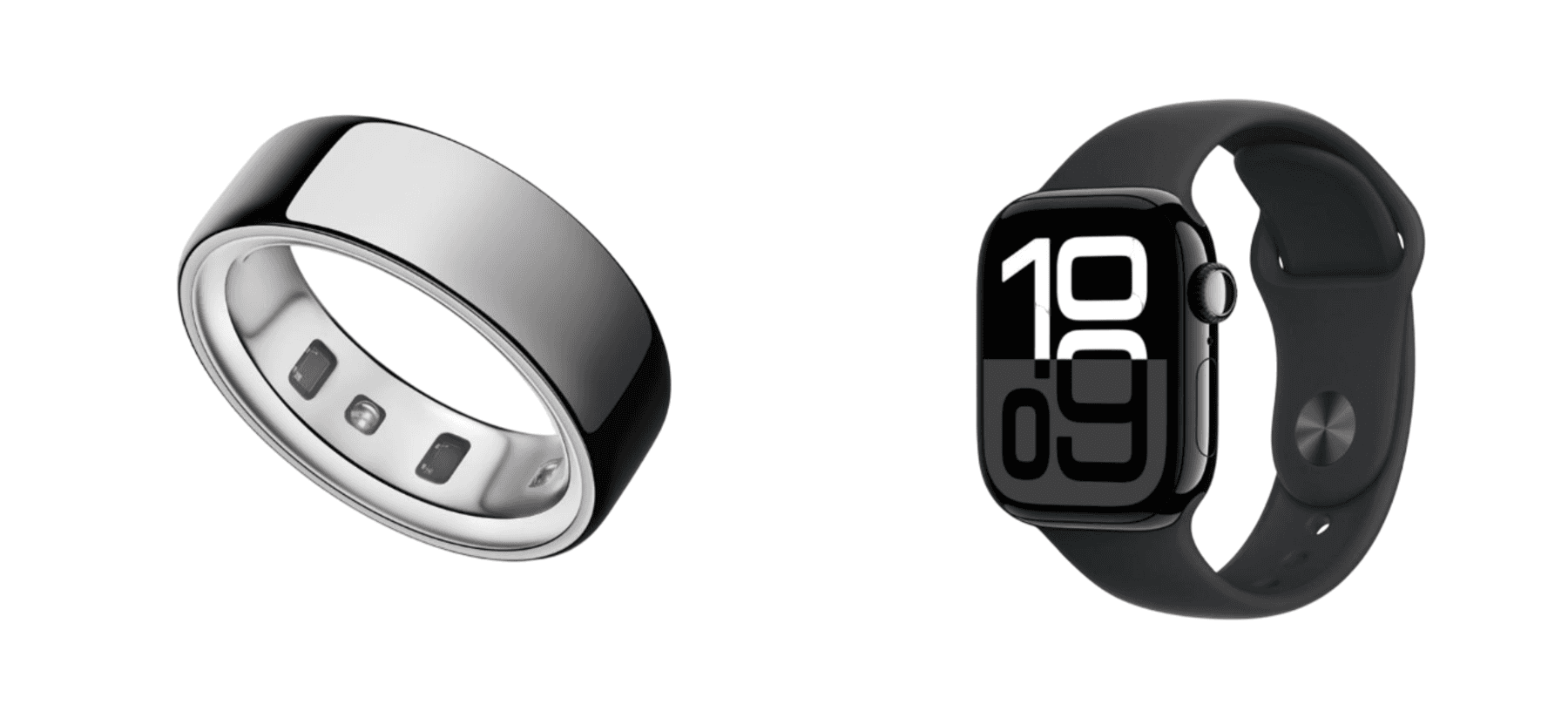
- Smartwatches — Apple Watch, Samsung Galaxy Watch, Garmin Venu series
- Smart rings — Oura Ring, Samsung Galaxy Ring
- Fitness bands — Fitbit, Whoop, Garmin Vivosmart
- Medical-grade wearables — AliveCor KardiaMobile (ECG), continuous glucose monitors (CGM), neurological monitoring devices
- Specialized wearables — devices like the Cala kIQ for Parkinson’s tremors, and clinical-grade Holter monitors worn as patches
What they all share is the ability to collect data passively no clinic appointment required. And the data they capture is increasingly serious. Modern consumer wearables can measure heart rate variability (HRV), blood oxygen (SpO₂), skin temperature, respiratory rate, sleep architecture, and, in some cases, electrocardiograms (ECGs) and irregular rhythm detection.
Wearable Health Device Comparison Table
| Device | Best For | Key Health Features | Price Range (USD) |
|---|---|---|---|
| Apple Watch Series 9 | General health + AFib detection | ECG, irregular rhythm alerts, blood oxygen, crash detection | $399–$499 |
| Oura Ring Gen 3 | Sleep + recovery tracking | HRV, sleep staging, temperature sensing, readiness score | $299 + $6/mo subscription |
| Garmin Venu 3 | Athletes & chronic illness management | Body Battery, pulse oximetry, respiration tracking, nap detection | $449 |
| Fitbit Charge 6 | Budget-friendly health baseline | Heart rate, ECG app, skin temp, sleep tracking | $159 |
| Whoop 4.0 | Recovery-focused athletes | HRV, strain coaching, sleep performance, skin conductance | $239/yr subscription (device included) |
| AliveCor KardiaMobile | Medical-grade cardiac monitoring | 6-lead ECG, AFib/bradycardia/tachycardia detection | $99–$149 |
Are Wearable Health Devices Worth It? The Evidence Speaks
The fitness industry has a long history of overpromising. So let’s look at what the research actually says before you spend a few hundred dollars on something that ends up in a drawer.
The short answer is: yes, with caveats. A growing body of peer-reviewed research confirms that wearables can meaningfully improve health outcomes especially for cardiovascular monitoring and chronic disease management. Research published in the American Heart Association’s Circulation Research journal highlights that consumer wearables are increasingly capable of detecting clinically significant arrhythmias, not just irregularities that might be noise. Further evidence from PubMed research on wearable cardiovascular monitoring demonstrates that continuous, passive monitoring changes the detection landscape entirely catching events that would never surface in a brief clinical visit.
More compellingly, wearables appear to change behavior. People who can see their resting heart rate trend upward over a stressful week are more likely to intervene walk more, sleep earlier, cut the third cup of coffee. Data creates accountability in a way that general health advice rarely does.
That said, accuracy varies considerably by device and metric. Heart rate is generally reliable across major brands. Blood oxygen readings are directionally useful but not clinical grade on most consumer devices. ECG features on the Apple Watch and KardiaMobile have performed well in clinical validation studies, though they cannot replace a full 12-lead ECG or a Holter monitor for a definitive diagnosis.
The best wearable is the one you’ll actually wear consistently accuracy is secondary to data continuity.
Which Wearable Is Best for Heart Health?
Heart health is where wearables have their most compelling clinical story. Let’s break it down by use case.
For General Heart Health Monitoring
The Apple Watch Series 9 remains the most validated consumer device for cardiac monitoring in North America and the UK. Its irregular rhythm detection has an FDA clearance (US), Health Canada authorization, and MHRA registration. It doesn’t just flag AFib after you’ve had it for years it catches paroxysmal AFib, the kind that comes and goes and is notoriously hard to catch in a clinic.
For Atrial Fibrillation Specifically
The question of what is the best wearable monitor for AFib comes up constantly, and the honest answer is: it depends on whether you need clinical evidence or personal monitoring. For clinical-grade AFib detection, the AliveCor KardiaMobile is unmatched in the consumer space it delivers a medical-quality ECG strip your cardiologist can read. For passive, around-the-clock monitoring, the Apple Watch or Withings ScanWatch are the leaders.
Research on AFib wearable detection consistently points to the importance of continuous monitoring: the “30-second rule” in AFib management refers to the minimum recording time needed to classify a rhythm as AFib with confidence, and most smartwatches now meet or exceed this threshold in their ECG apps.
One thing cardiologists are emphatic about: wearables do not replace clinical care. They flag, they alert, they trend but diagnosis and treatment remain squarely in the clinic. The Apple Watch is not FDA-cleared as a diagnostic tool for AFib; it’s cleared as a notification tool. A subtle but important distinction.
Do Cardiologists Recommend Smartwatches?
The medical community has moved from skeptical to cautiously enthusiastic with important guardrails. Most cardiologists today see value in wearables as a data-gathering tool, particularly for patients with known or suspected cardiac conditions. The ability to capture a rhythm event in real time, outside the clinic, is genuinely useful clinical information.
Where cardiologists pump the brakes is on two fronts: over-reliance and anxiety. The same device that catches a real AFib episode can also generate a false alarm that sends an anxious patient to the emergency room unnecessarily. “Health anxiety” triggered by wearable data has become a recognized phenomenon in clinical practice.
Research published in Circulation Research underscores how wearable-derived data is increasingly integrated into clinical decision-making, particularly for arrhythmia surveillance. And a recent analysis available through PMC reinforces that when patients share wearable data with their care teams proactively, diagnostic timelines shorten significantly.
The short answer: yes, most cardiologists recommend smartwatches with the expectation that you’ll share the data, not self-diagnose from it.
Can Wearables Detect Arrhythmia?
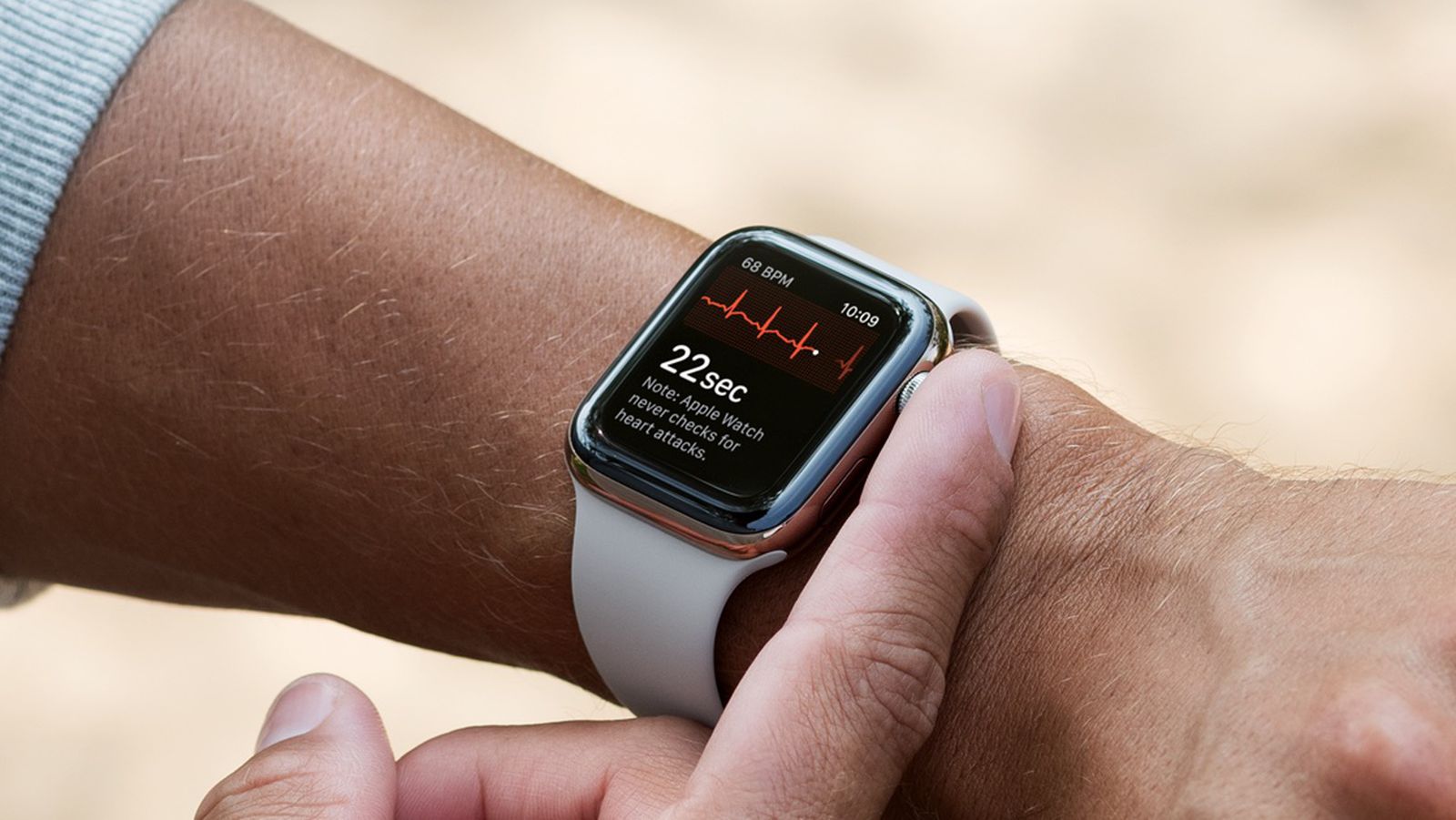
Yes with meaningful accuracy. Modern wearables use photoplethysmography (PPG) sensors, which detect blood volume changes in the capillaries beneath your skin, to infer heart rhythm. Higher-end devices also carry single-lead ECG electrodes that, when you touch the crown or bezel, create a proper electrical recording of your heart.
PPG-based irregular rhythm detection (the passive, always-on version) is good at flagging sustained rhythm abnormalities but can struggle with brief or subtle events. Single-lead ECG recording (the on-demand version) is significantly more accurate, closer to a clinical snapshot.
Research from PubMed on wearable arrhythmia detection confirms that consumer-grade devices can now identify AFib, tachycardia, and bradycardia with clinically meaningful sensitivity. What they cannot reliably detect: ventricular arrhythmias, bundle branch blocks, or subtle ST changes that signal a heart attack in progress. For those, you need a 12-lead ECG at minimum.
Arrhythmia Detection Capability by Wearable
| Arrhythmia Type | Wearable Detection Capability | Accuracy Level |
|---|---|---|
| Atrial fibrillation (AFib) | PPG + ECG (Apple Watch, KardiaMobile) | High (clinically validated) |
| Tachycardia / bradycardia | PPG heart rate monitoring | Good (with alert thresholds) |
| Palpitations | On-demand ECG recording | Moderate — symptom correlation |
| Ventricular arrhythmias | Not reliably detected by consumer wearables | Low — requires clinical ECG |
| ST-elevation (heart attack) | Not detected by current consumer wearables | Not applicable |
Wearable Devices for Parkinson’s Disease: A Quiet Revolution
Parkinson’s disease management is one of the most exciting frontiers in wearable health technology — and one of the least talked about outside specialist circles.
The challenge with Parkinson’s is that symptoms fluctuate significantly throughout the day, and a 20-minute neurology appointment captures a tiny, potentially unrepresentative slice of a patient’s motor function. Wearables change that. Devices worn on the wrist or finger can now quantify tremor frequency and amplitude, track gait patterns, detect freezing episodes, and even identify the dyskinesia (involuntary movements) that can be a side effect of levodopa therapy.
The most clinically promising device for Parkinson’s tremor is the Cala kIQ a wrist-worn device that delivers transcutaneous afferent patterned stimulation (TAPS) to suppress essential tremor, while simultaneously collecting data on tremor severity. Research available via PubMed on neurostimulation wearables explores this intersection of therapeutic delivery and continuous monitoring.
Beyond therapeutic devices, the Apple Watch and Garmin devices have been validated in research settings for Parkinson’s tremor quantification. The Apple Watch’s built-in accelerometer and gyroscope collect movement data detailed enough to distinguish tremor-at-rest (classic Parkinson’s) from action tremor (more typical of essential tremor).
According to further evidence from PMC research on wearable technology in neurological disease, continuous motor monitoring via wearables significantly improves treatment personalization for Parkinson’s patients a finding that’s beginning to shift neurological care protocols in the US, Canada, and UK alike.

Wearables for Chronic Illness: Making Every Day Count
Beyond heart disease and neurological conditions, wearable health devices have found a powerful role in chronic illness management more broadly.
Diabetes and Continuous Glucose Monitoring
CGMs like the Abbott FreeStyle Libre and Dexcom G7 represent the most medically significant wearables available today. They eliminate fingerstick testing, provide real-time glucose curves, and alert users to dangerous highs and lows before they become crises. The FreeStyle Libre is available on the NHS in the UK for qualifying patients a recognition of its clinical value. In Canada and the US, coverage varies by insurer and province/state.
Hypertension and Blood Pressure Wearables
Cuffless blood pressure monitoring is the holy grail of wearable health technology, and we’re getting close. The Samsung Galaxy Watch 7 and Withings ScanWatch Nova offer blood pressure estimation features though these require calibration against a traditional cuff and carry significant accuracy caveats. Truly reliable, medical-grade cuffless BP monitoring remains a few years away. But the trajectory is clear.
Sleep Disorders
For sleep apnea and insomnia, wearables like the Withings Sleep Analyzer and the Oura Ring can detect breathing disturbances, heart rate patterns during sleep, and sleep staging with impressive accuracy. They won’t replace a polysomnography sleep study for diagnosis, but they can flag a problem worth investigating and they provide the longitudinal data (months of sleep patterns) that a one-night study never can.
How to Actually Use Your Wearable Effectively: A Practical Framework
Buying the device is the easy part. Here’s what the research and clinical guidance suggest about maximizing its value:
1. Wear It Consistently
A wearable worn three days a week is significantly less valuable than one worn every day. Trends matter far more than individual readings. Your resting heart rate on a single Tuesday morning is noise; your resting heart rate trend over six weeks is signal.
2. Establish Your Personal Baseline
Most wearable platforms build a baseline over your first two to four weeks of use. Don’t judge your data against population averages judge it against your own established norm. Your “normal” HRV might be 45ms, where the average is 65ms. What matters is whether your personal trend is stable, rising, or falling.
3. Share Your Data with Your Care Team
Most people never do this, which is a missed opportunity. Many GPs and specialists in the US, UK, and Canada now accept wearable data exports particularly ECG recordings, sleep reports, and AFib alerts. Bring a PDF export or share the app’s health report at your next appointment. This is especially valuable for cardiology, sleep medicine, and neurology consultations.
4. Use Alerts as Prompts, Not Diagnoses
If your watch flags an irregular rhythm, it is telling you to seek evaluation not confirming you have AFib. The same goes for every automated insight these devices generate. They are statistically informed suggestions, not clinical verdicts.
5. Respect the Limits of Skin-Based Sensors
Tattoos, dark skin tones, and poor fit can affect optical sensor accuracy. Ensure the device fits snugly (but not restrictively) above the wrist bone. During intense workouts, motion artifact reduces accuracy if heart rate readings spike implausibly high during weightlifting, that’s likely sensor noise, not cardiac crisis.
6. Pair Data with Context
The most sophisticated wearable users log context alongside data stress levels, alcohol consumption, illness, medication changes so that anomalies have an explanation. Many apps now support this; Oura, Whoop, and Apple Health all have journal or symptom-logging features.
Key Metrics: What to Watch and When to Act
| Metric | What It Tells You | Red Flag Worth Investigating |
|---|---|---|
| Resting heart rate | Cardiovascular fitness, illness, stress | Sustained rise 5+ bpm above personal baseline for 3+ days |
| HRV (heart rate variability) | Recovery status, nervous system balance | Persistent downward trend despite adequate rest |
| SpO₂ (blood oxygen) | Breathing quality during sleep | Consistent readings below 90% during sleep |
| ECG / rhythm alert | Cardiac rhythm irregularities | Any AFib or irregular rhythm notification |
| Skin temperature | Illness onset, cycle tracking, recovery | Sustained elevation above personal baseline without obvious cause |
| Sleep stages | Sleep quality, REM and deep sleep distribution | Chronic low deep sleep percentage alongside daytime fatigue |
Can Wearables Replace a Doctor?
No. And any company suggesting otherwise is either misleading you or operating outside regulatory boundaries.
What wearables can do and what they’re genuinely good at is extend the physician’s reach into the everyday moments that clinical visits miss. The average person in the US sees a primary care physician 3–4 times per year. An annual physical captures one data point in 365 days. A wearable device captures thousands.
The value isn’t replacement. It’s continuity. It’s the ability to hand your cardiologist six months of resting heart rate data instead of a single office reading. It’s catching an irregular rhythm at 2:43 a.m. before it becomes a stroke. It’s giving a neurologist a 30-day tremor log instead of a 15-minute office observation.
Think of your wearable the way you might think of a good personal trainer: excellent at spotting patterns, great at accountability, absolutely not a substitute for your GP when something is genuinely wrong.

Frequently Asked Questions
Is Oura better than Apple Watch?
For sleep tracking and recovery metrics, the Oura Ring is widely considered the gold standard, its ring-based sensors have more consistent skin contact, and its algorithms for sleep staging are particularly well-regarded. For cardiac monitoring (ECG, AFib detection), heart rate accuracy during workouts, and real-time health alerts, the Apple Watch has a clear advantage. The best choice depends on your primary use case.
Is Fitbit or Garmin better?
For fitness athletes and serious outdoor sports, Garmin is the superior choice better GPS, longer battery life, and more robust performance metrics. For everyday health monitoring at a more accessible price point, Fitbit delivers solid heart rate, sleep, and SpO₂ tracking. Google’s acquisition of Fitbit has also improved its health data integration with Android devices.
What is the most medically accurate smartwatch?
The Apple Watch Series 9 and AliveCor KardiaMobile have the most clinical validation data behind their cardiac features. For blood oxygen, no current consumer device is medical-grade. For sleep analysis, research repeatedly validates the Oura Ring. “Most accurate” genuinely depends on which metric you’re measuring.
What smartwatch has ECG and blood pressure?
The Samsung Galaxy Watch series offers both an ECG feature and blood pressure monitoring (after calibration). The Withings ScanWatch Nova also combines ECG with blood pressure estimation. Blood pressure accuracy on all current wearables remains significantly inferior to traditional cuff measurements use them for trend tracking, not clinical readings.
Which Fitbit do cardiologists recommend?
The Fitbit Charge 6 is the current Fitbit with the most cardiac-relevant features, including an ECG app (FDA-cleared in the US) and irregular rhythm notifications. Cardiologists who recommend Fitbit devices typically point to the Charge 6 for its combination of continuous heart rate monitoring and on-demand ECG recording.
Does Medicare pay for smartwatches?
Traditional Medicare (Parts A and B) does not cover consumer smartwatches. However, certain Medicare Advantage plans may offer wearable device benefits or credits as a supplemental perk this varies by plan and insurer. In the UK, the NHS does not fund consumer wearables, though it does fund clinical-grade CGMs for qualifying diabetes patients.
The Bottom Line
Wearable health devices have made the leap from novelty to genuine medical utility but only if you use them with intention. The technology is only as good as your commitment to wearing it consistently, interpreting data thoughtfully, and looping in your healthcare team when the numbers say something worth investigating.
Whether you’re a young professional tracking recovery between workouts in Vancouver, a middle-aged executive monitoring blood pressure in Chicago, or an older adult managing a chronic condition in London, there is a wearable device built for your specific needs right now. The gap between a $159 Fitbit and a $449 Garmin is less about the quality of care you’ll get and more about the sophistication of the data you want.
Start with what you’ll actually wear. Build the habit of checking it with your data the way you check in with your email. And then, crucially, bring what you find to your doctor. The wearable on your wrist is quietly collecting the most detailed health portrait you’ve ever had — make sure someone qualified is looking at it with you.
Your body has been sending signals your whole life. For the first time, you have a device sophisticated enough to hear them.
Sources & References
- Turakhia, M.P., et al. (2022). Wearable Devices in Cardiovascular Medicine. Circulation Research, American Heart Association.
- Mannhart, D., et al. (2023). Clinical Validation of 5 Direct-to-Consumer Wearable Smart Devices to Detect Atrial Fibrillation: BASEL Wearable Study. JACC: Clinical Electrophysiology.
- Wouters, F., et al. (2025). Comparative Evaluation of Consumer Wearable Devices for Atrial Fibrillation Detection: Validation Study. JMIR Formative Research.
- Habets, J.G.V., et al. (2024). Continuous and Unconstrained Tremor Monitoring in Parkinson’s Disease Using Supervised Machine Learning and Wearable Sensors. PMC/PubMed.
- Bokhari, S.F.H., et al. (2025). Advancing Cardiac Arrhythmia Management: The Integration of Wearable Technology and Remote Monitoring. World Journal of Cardiology.
- Deng, F., et al. (2021). A Review of Flash Glucose Monitoring in Type 2 Diabetes. PMC/PubMed.