Introduction
The intersection of science and sweat has never looked this good or this intelligent.
Picture this: It’s 6:15 a.m. in Denver, London, or Toronto. Your alarm goes off, but before you’ve even poured your first cup of coffee, a sleek device on your wrist has already measured your resting heart rate, assessed the quality of your sleep, estimated your recovery score, and quietly nudged you toward whether today is a “go hard” day or a “take it easy” one. No guesswork. No generic fitness advice from someone who’s never met you. Just data your data telling the story of your body in real time.
Welcome to the era of wearable health devices for fitness enthusiasts. Whether you’re a 28-year-old marathon runner in Chicago, a 55-year-old professional in London finally committing to your health after years of desk life, or a 70-year-old in Vancouver determined to stay active and independent these gadgets aren’t just accessories. They’re your most honest training partner.
And the numbers back it up. The global wearable technology market is expanding at a breakneck pace, with millions of people across the US, Canada, and UK strapping on devices that are in many cases more sophisticated than equipment found in clinical settings just a decade ago. Research published in peer-reviewed literature confirms that wearable health technology is increasingly effective at supporting physical activity, chronic disease management, and behavioral change.
So, whether you’re a seasoned gym devotee or someone just beginning to take fitness seriously, here’s your definitive guide to the top 10 wearable health devices worth having on your body in 2026.
What Are Wearable Health Devices And Why Do They Matter?
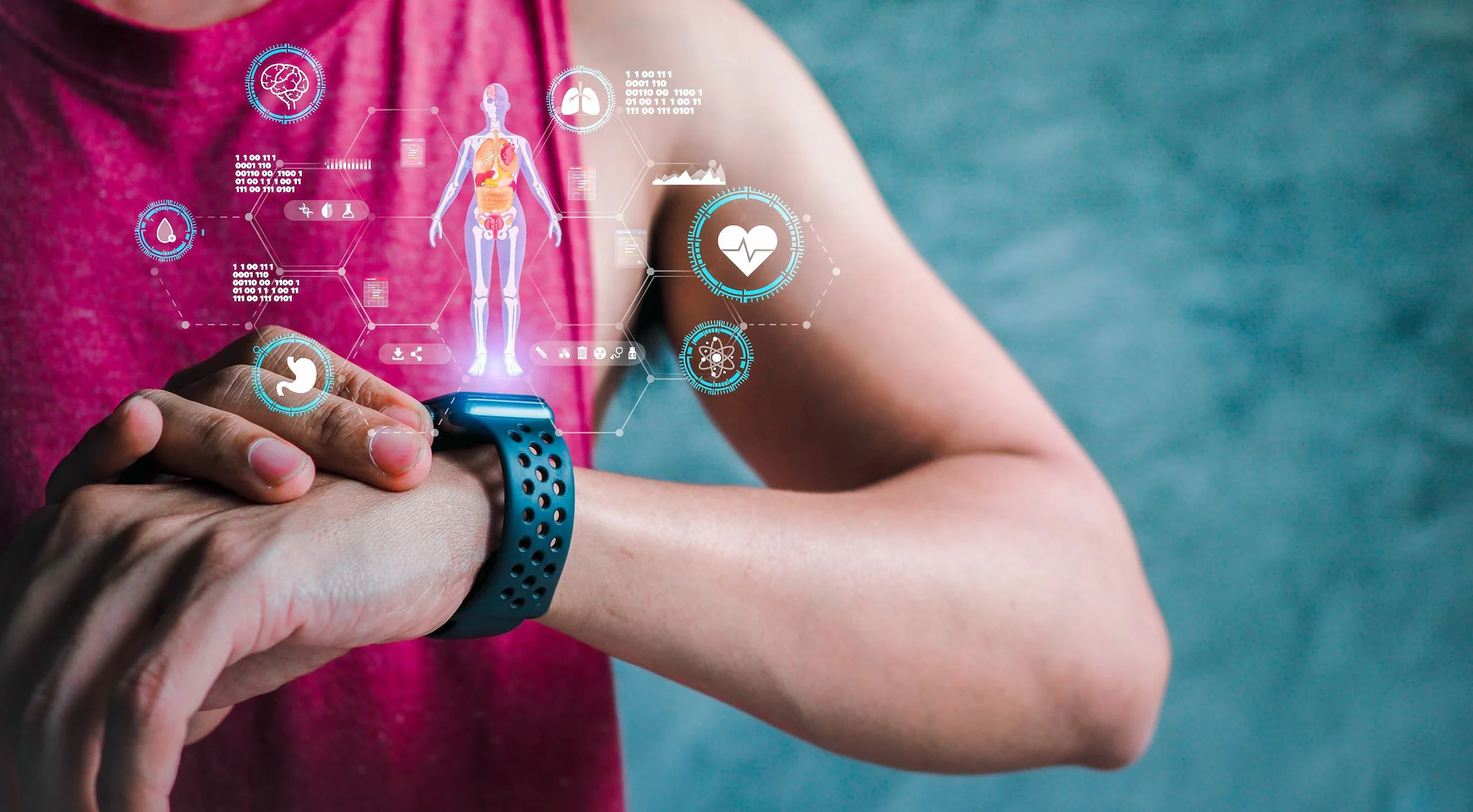
Before we dive in, let’s get grounded. Wearable health devices are electronic technologies worn on or near the body that monitor physiological data heart rate, blood oxygen levels, steps, calories, sleep quality, stress, skin temperature, and even electrocardiograms (ECGs). They range from wristbands and smartwatches to rings, patches, and smart clothing.
What makes them genuinely transformative rather than just a flashy trend is the shift from passive data collection to active health guidance. According to UCLA Health, wearable technology can help users reach their health goals through real-time feedback, accountability, and personalized insights outcomes that were previously reserved for those with access to professional coaches and clinical monitoring.
Think of it this way: your body is constantly telling a story. Wearable health devices are the translators.
The Top 10 Wearable Health Devices for Fitness Enthusiasts
1. Apple Watch Series 10: The Gold Standard of Smartwatches
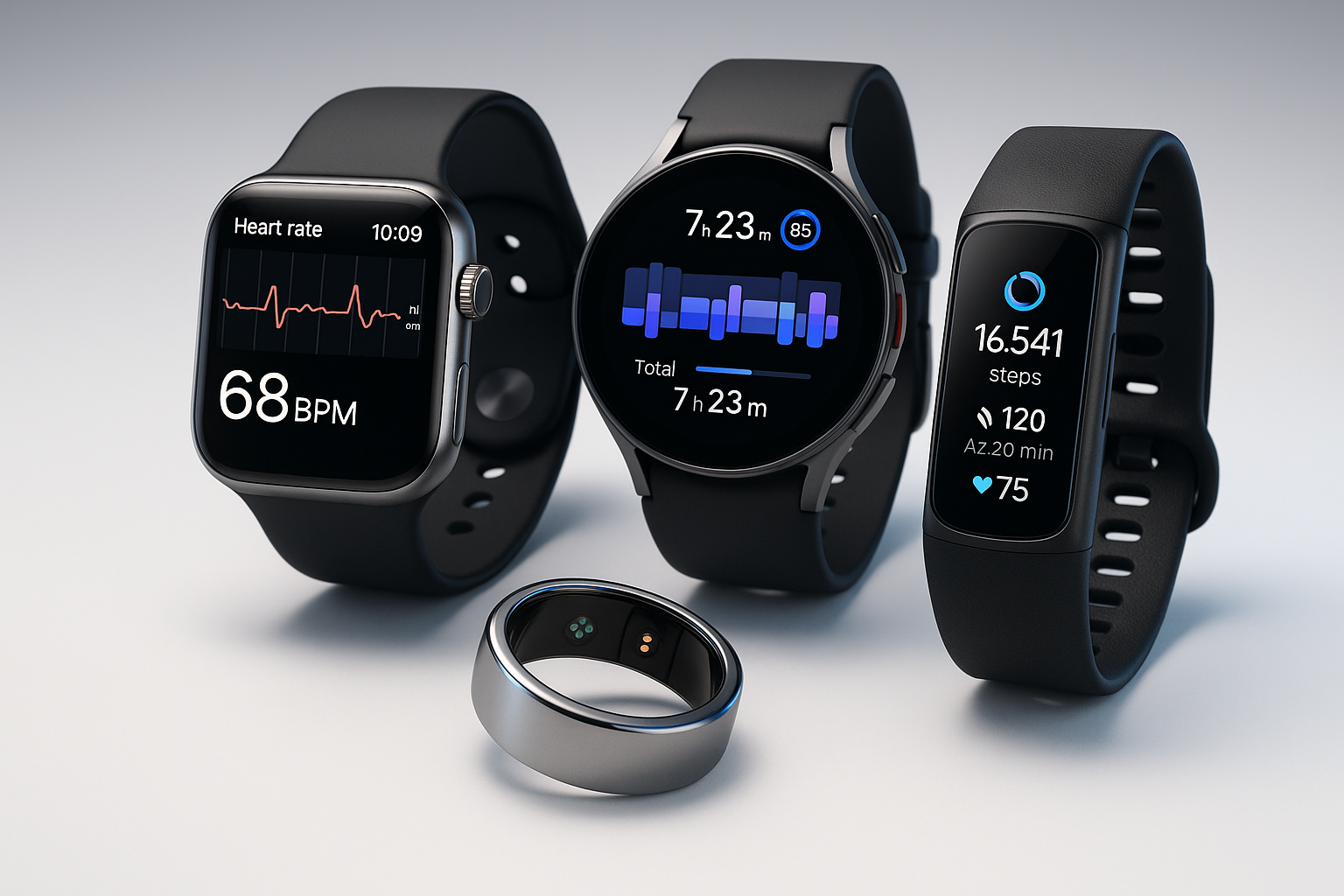
If wearable health devices had a flagship moment, Apple Watch would be it. The Series 10 packs a medical-grade ECG sensor, blood oxygen monitoring, advanced sleep tracking, crash detection, and temperature sensing all within a design slim enough to wear to a board meeting or a boxing class without anyone batting an eye.
Why fitness enthusiasts love it: The integration with Apple Health creates a holistic picture of your wellness. You can track your VO2 max (a powerful predictor of cardiovascular fitness), receive irregular heart rhythm notifications, and monitor your training load with surgical precision.
Best for: All-around fitness tracking for iPhone users who want seamless ecosystem integration.
Price range: $399–$499 USD / £379–£479 GBP / CAD $549–$649
2. Garmin Forerunner 965: The Endurance Athlete’s Dream
If Apple Watch is the versatile generalist, the Garmin Forerunner 965 is the obsessive specialist. Built for runners, cyclists, and triathletes who treat race day like a sacred event, this device delivers training readiness scores, race predictor times, and multi-band GPS accuracy that rivals professional timing equipment.
What sets Garmin apart is its Body Battery feature an energy monitoring metric that factors in heart rate variability, sleep quality, and activity to tell you, with remarkable accuracy, how much gas is left in your tank.
Best for: Serious endurance athletes, marathon runners, cyclists, and triathletes.
Price range: $599 USD / £549 GBP / CAD $799

3. WHOOP 4.0: The Recovery Revolution
WHOOP isn’t just a tracker it’s a philosophy. Subscription-based and screenless (yes, screenless), WHOOP 4.0 is built around one core belief: recovery is as important as training. The device monitors your strain, recovery, and sleep around the clock, delivering a daily readiness score that tells you whether to push, coast, or rest.
What makes WHOOP particularly compelling for fitness enthusiasts is its heart rate variability (HRV) tracking. According to University Hospitals, wearables that analyze HRV and recovery metrics are helping athletes train smarter and reduce injury risk a game-changer for anyone who’s ever overtrained themselves into a setback.
Best for: Dedicated athletes who prioritize recovery-led training and want continuous, subscription-based coaching.
Pricing: From $0 device cost with a membership starting at ~$30/month USD.
4. Oura Ring Gen 4: Wellness Intelligence in a Ring
Elegant. Minimal. Brilliant. The Oura Ring Gen 4 is what happens when wearable health technology decides it doesn’t need to shout to be heard. Worn on your finger like a piece of jewelry, it tracks sleep stages, body temperature, HRV, blood oxygen, and activity all while looking like it belongs on the hand of someone who simply has excellent taste.
The question people often ask: Is Oura better than Apple Watch? They serve different masters. Apple Watch is a wrist-worn Swiss army knife notifications, apps, fitness tracking, all at a glance. The Oura Ring is a silent, continuous biometric companion. For sleep tracking in particular, Oura is widely considered best-in-class.
Best for: People who want comprehensive sleep and recovery data without the bulkiness of a wrist device.
Price range: $349 USD / £329 GBP / CAD $469 + $5.99/month subscription
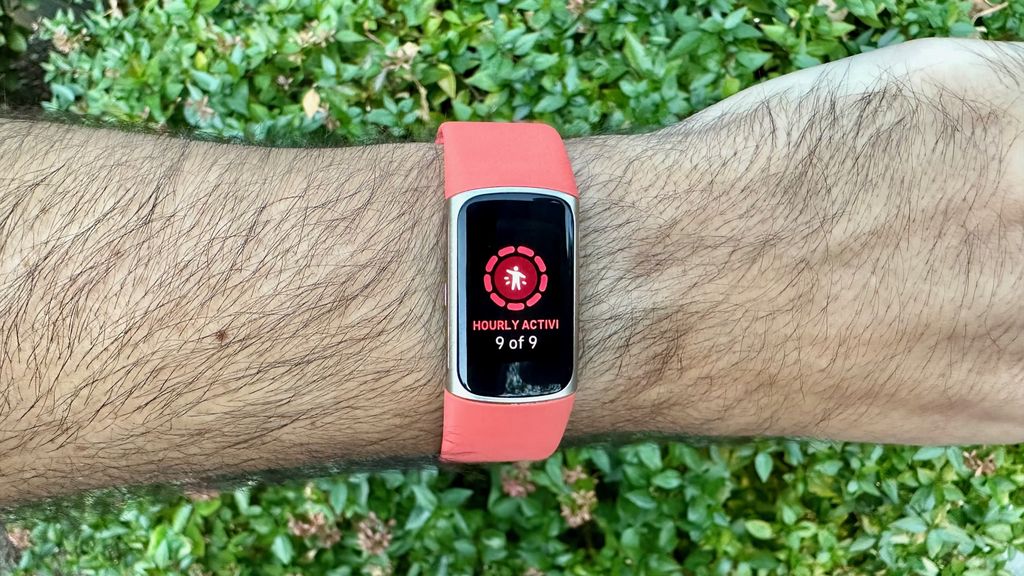
5. Fitbit Charge 6: The Accessible All-Rounder
Not every great wearable health device needs to cost the equivalent of a weekend getaway. The Fitbit Charge 6 delivers solid health tracking ECG, heart rate, sleep score, Active Zone Minutes, and stress management at a price point that makes wellness technology genuinely accessible.
With Google integration now baked in, the Charge 6 has gained Google Maps navigation and YouTube Music control, making it smarter than its modest price suggests. Research consistently shows that the most effective fitness wearable is the one you’ll actually wear every day and Fitbit’s reputation for comfort and simplicity keeps it on millions of wrists worldwide.
Best for: First-time wearable users, casual fitness enthusiasts, and budget-conscious buyers.
Price range: $159 USD / £139 GBP / CAD $219
6. Samsung Galaxy Watch 7: Android’s Answer to Everything
For Android users who feel left out of the Apple Watch conversation (understandably so), the Samsung Galaxy Watch 7 is your moment. It packs BioActive sensors measuring body composition, heart rate, blood oxygen, and ECG, alongside a sleek circular design that’s genuinely stylish on the wrist.
The energy score feature, powered by Samsung Health’s AI, gives you a daily readiness metric that parallels WHOOP’s strain-recovery model. For fitness enthusiasts in the Android ecosystem particularly those using Samsung phones this is the most compelling all-in-one option on the market.
Best for: Android users who want premium health tracking with a polished, fashionable design.
Price range: $299–$349 USD / £289–£339 GBP / CAD $399–$449
7. Polar H10 Heart Rate Monitor: Medical-Grade Accuracy
Sometimes, the best wearable health device isn’t the flashiest one it’s the most accurate one. The Polar H10 chest strap heart rate monitor is the gold standard in ECG-accurate heart rate measurement, trusted by professional athletes, sports scientists, and cardiologists alike.
Worn across the chest during workouts, the H10 pairs wirelessly with smartphones, gym equipment, and other wearables to deliver beat-by-beat precision that wrist-based sensors simply cannot match. If your training demands absolute heart rate accuracy think high-intensity interval training, competitive cycling, or cardiac rehabilitation this is the device your wrist tracker wishes it could be.
Best for: Serious athletes, HIIT devotees, and anyone who needs clinical-level heart rate data during workouts.
Price range: $89 USD / £79 GBP / CAD $119
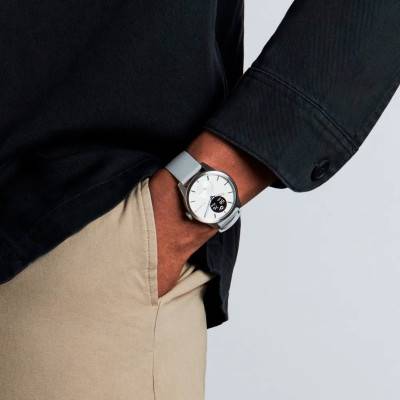
8. Withings ScanWatch 2: Where Medicine Meets Fashion
Withings exists in a class of its own: the company makes wearable health devices that look indistinguishable from traditional Swiss watches while packing genuinely medical-grade sensors underneath. The ScanWatch 2 monitors ECG, blood oxygen, heart rate, breathing disturbances (a proxy for sleep apnea detection), and activity all wrapped in a watch that costs less than most luxury timepieces and passes for one at a dinner party.
The Mayo Clinic has highlighted how smart wearables can support proactive health management, particularly for monitoring cardiac health over time. The ScanWatch 2 bridges the gap between consumer wellness technology and clinical-grade monitoring beautifully.
Best for: Professionals and older adults who want health monitoring without sacrificing style, and anyone with concerns about heart health or sleep-disordered breathing.
Price range: $349 USD / £299 GBP / CAD $469
9. Amazfit GTR 4: Incredible Value for the Data-Hungry
If you want a wearable health device that punches far above its weight class without requiring you to punch a hole in your budget, the Amazfit GTR 4 deserves serious consideration. Dual-band GPS, 150+ workout modes, blood oxygen monitoring, stress tracking, and a battery life that stretches to 14 days for under $200 USD. Let that sink in.
The companion Zepp app offers AI-powered health analysis that synthesizes your biometric data into genuinely useful insights. This is the device for fitness enthusiasts who are data-hungry but financially pragmatic.
Best for: Budget-conscious fitness enthusiasts who want extensive feature sets and long battery life.
Price range: $149–$199 USD / £139–£179 GBP / CAD $199–$269
10. Garmin Vívosmart 5: Discreet Daily Health Tracking
Completing the list is the Garmin Vívosmart 5 a slim, discreet fitness band that quietly monitors your heart rate, blood oxygen, stress, sleep, and activity from morning to midnight. It doesn’t scream for attention, and that’s precisely the point. For professionals who spend most of their day in meetings but still want their health data working in the background, this is the silent sentinel you didn’t know you needed.
Best for: Professionals, older adults, and anyone who wants unobtrusive, all-day health monitoring.
Price range: $149 USD / £129 GBP / CAD $199
Wearable Health Devices at a Glance: Comparison Table
| Device | Best For | Key Features | Price (USD) |
|---|---|---|---|
| Apple Watch Series 10 | All-around fitness (iPhone) | ECG, sleep, VO2 max, crash detection | $399–$499 |
| Garmin Forerunner 965 | Endurance athletes | Body Battery, multi-band GPS, race predictor | $599 |
| WHOOP 4.0 | Recovery-focused athletes | HRV, strain/recovery scores, screenless | ~$30/mo |
| Oura Ring Gen 4 | Sleep & recovery tracking | Ring form factor, sleep stages, temperature | $349 + sub |
| Fitbit Charge 6 | Beginners & everyday wellness | ECG, stress, sleep score, Google integration | $159 |
| Samsung Galaxy Watch 7 | Android ecosystem users | BioActive sensors, body composition, ECG | $299–$349 |
| Polar H10 | Clinical heart rate accuracy | Chest strap ECG, beat-by-beat precision | $89 |
| Withings ScanWatch 2 | Style + medical monitoring | Sleep apnea detection, ECG, hybrid design | $349 |
| Amazfit GTR 4 | Budget-conscious users | 14-day battery, dual GPS, 150+ modes | $149–$199 |
| Garmin Vívosmart 5 | Discreet daily tracking | Slim band, stress, sleep, SpO2 | $149 |
Do Health Trackers Actually Work?
It’s a fair and important question. The short answer: yes but only as well as you engage with them. A wearable health device sitting on your wrist while you ignore every notification is just expensive jewelry. But when you actively respond to your data resting more when recovery scores dip, adjusting intensity when strain is high, prioritizing sleep when your HRV tanks these devices deliver on their promise.
Studies confirm the clinical relevance. Research published in PMC demonstrates that wearable devices significantly support physical activity promotion and disease prevention across diverse populations. The behavior change isn’t magic it’s accountability, made visible.
Are Wearable Health Devices Worth It?
For fitness enthusiasts ranging from young professionals squeezing workouts between Zoom calls to older adults managing chronic health conditions alongside active lifestyles the answer is a resounding yes, with caveats.
Consider your goals:
- If you’re training for performance, devices like Garmin Forerunner 965 or WHOOP 4.0 offer elite-level coaching data.
- If you’re managing cardiac health, Withings ScanWatch 2 or Apple Watch Series 10’s ECG capabilities offer peace of mind with clinical backing.
- If you’re a senior who wants to stay active, University Hospitals research shows wearables can make workouts safer and smarter for older adults, particularly through fall detection, heart rate monitoring, and activity coaching.
- If you’re new to fitness, start with something accessible Fitbit Charge 6 or Garmin Vívosmart 5 — and let the data ignite the habit.
The Mayo Clinic reinforces this point: smart wearables offer measurable health benefits when users engage with the insights they provide from heart rate awareness to sleep quality improvements. These aren’t toys. They’re tools.
What Is the Future of Wearable Health Devices?
If you think today’s wearables are impressive, the next wave will be extraordinary. Non-invasive blood glucose monitoring (critical for diabetics and performance athletes alike) is in active development at major companies. Continuous blood pressure monitoring without a cuff is moving from prototype to product. Wearable ECG patches that communicate directly with cardiologists in real time are already in clinical use.
The convergence of AI, biometric sensing, and miniaturization means the wearable health devices of 2030 will likely make today’s devices look like rudimentary step counters by comparison. The smartest move? Get comfortable with the technology now, while the learning curve is still gentle.
Frequently Asked Questions About Wearable Health Devices
What are wearable health devices?
Wearable health devices are electronic gadgets worn on or near the body that track physiological metrics heart rate, blood oxygen, sleep, stress, activity levels, and more providing users with real-time health data and personalized wellness insights.
What is the most popular wearable technology?
Smartwatches particularly Apple Watch and Garmin devices dominate market share globally, followed by fitness bands like Fitbit and health rings like Oura. In the UK and Canada, Apple Watch and Fitbit remain the most widely adopted consumer wearables.
Which wearable is most accurate?
For heart rate accuracy during intense exercise, chest-strap monitors like the Polar H10 remain the gold standard. Among wrist-based devices, Garmin and Apple Watch consistently rank highest for sensor accuracy in independent testing. Oura Ring leads for sleep tracking precision.
What is the best wearable device for health monitoring?
It depends on your priorities. For comprehensive everyday health monitoring, the Apple Watch Series 10 (iPhone users) and Samsung Galaxy Watch 7 (Android users) offer the most complete feature sets. For cardiac-specific monitoring, Withings ScanWatch 2 is an exceptional choice.
Is Oura better than Apple Watch?
They excel in different areas. Oura Ring Gen 4 is widely regarded as superior for sleep tracking and recovery monitoring. Apple Watch Series 10 is more powerful for real-time workout tracking, notifications, and app integration. Many serious health enthusiasts use both Oura for continuous overnight monitoring and Apple Watch during the day.
Do cardiologists recommend smart watches?
Increasingly, yes particularly for patients with heart rhythm concerns. Devices with FDA-cleared ECG capabilities (Apple Watch, Withings ScanWatch 2, Samsung Galaxy Watch 7) are used as supplementary monitoring tools by some cardiologists, especially for detecting atrial fibrillation between clinic visits. Always consult your physician for medical-grade decisions.
What are wearable devices for Parkinson’s disease?
Several specialized wearables have been developed for Parkinson’s management, including devices that monitor tremors, gait, and mobility. Companies like Kinesia (by Great Lakes Neurotechnologies) and StrivePD (by Rune Labs, using Apple Watch) are pioneering Parkinson’s-specific wearable monitoring tools.
How many times a week should a 70-year-old work out?
Most health guidelines, including those from the American College of Sports Medicine, recommend that adults 65 and older aim for at least 150 minutes of moderate-intensity aerobic activity per week roughly 3 to 5 sessions alongside 2 days of muscle-strengthening activities. Wearable health devices can be particularly valuable for older adults to monitor exertion levels, heart rate, and recovery, making workouts both safer and more effective.
The Bottom Line: Your Body Deserves Better Data
We live in an age where your phone knows what music you’ll like before you do, your streaming service predicts your next binge-watch, and your car can park itself. The one system we’ve been surprisingly slow to apply that intelligence to? Our own bodies.
The best wearable health devices for fitness enthusiasts aren’t about vanity metrics or social media flex moments. They’re about making the invisible visible understanding how sleep quality affects your afternoon energy, how stress manifests in your heart rate variability, how your body responds to training and how much time it actually needs to bounce back. That data, applied consistently and intelligently, is how good intentions become lasting transformation.
Whether you’re chasing a personal best, managing a chronic condition alongside your fitness goals, or simply trying to stay vital and active as the decades stack up there’s a wearable on this list built for you. The only question now is: which one are you strapping on first?
Ready to upgrade your fitness journey? Share this guide with someone who could use a smarter approach to their health and drop your questions or wearable device experiences in the comments below.
Sources & References
- UCLA Health — Wearable Technology and Health Goals
- Mayo Clinic — Smart Wearables and Proactive Health Management
- NIH — Wearable Devices for Physical Activity and Disease Prevention
- University Hospitals — Wearables and Athletic Recovery Monitoring
- FDA — ECG Function on Wearable Devices
- American College of Sports Medicine — Exercise Guidelines for Older Adults