Table of Contents
ToggleIntroduction
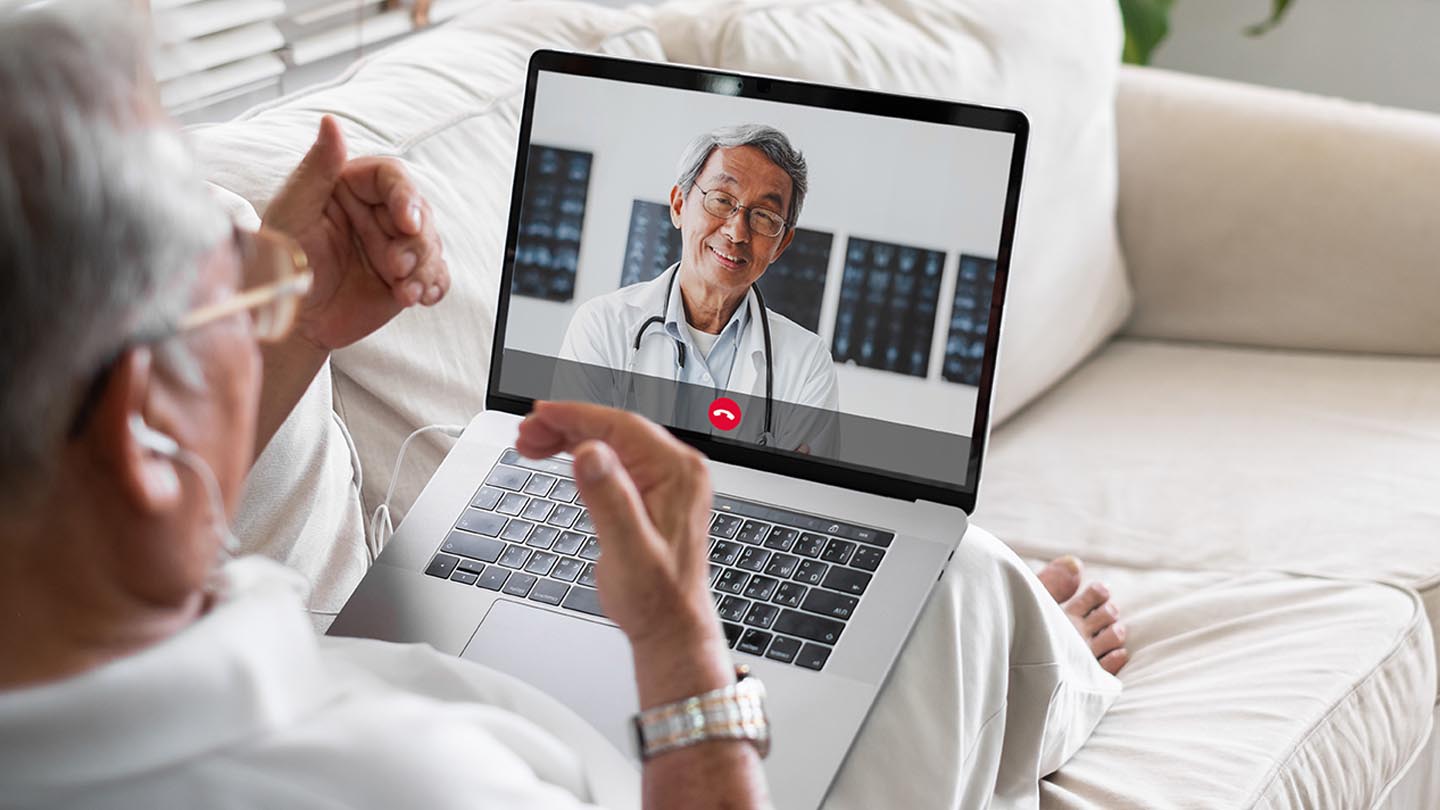
Most people think telehealth is just “video calls with a doctor.”
But what if the truth is far more shocking and potentially life-saving than you’ve been told?
Telehealth is quietly reshaping healthcare behind the scenes… and your doctor may not be telling you everything.
What Is Telehealth Really? (The Untold Side)
Most people define this service as:
“Healthcare delivered remotely through technology.”
But the real virtual support revolution is far deeper than video calls.
It includes:
-
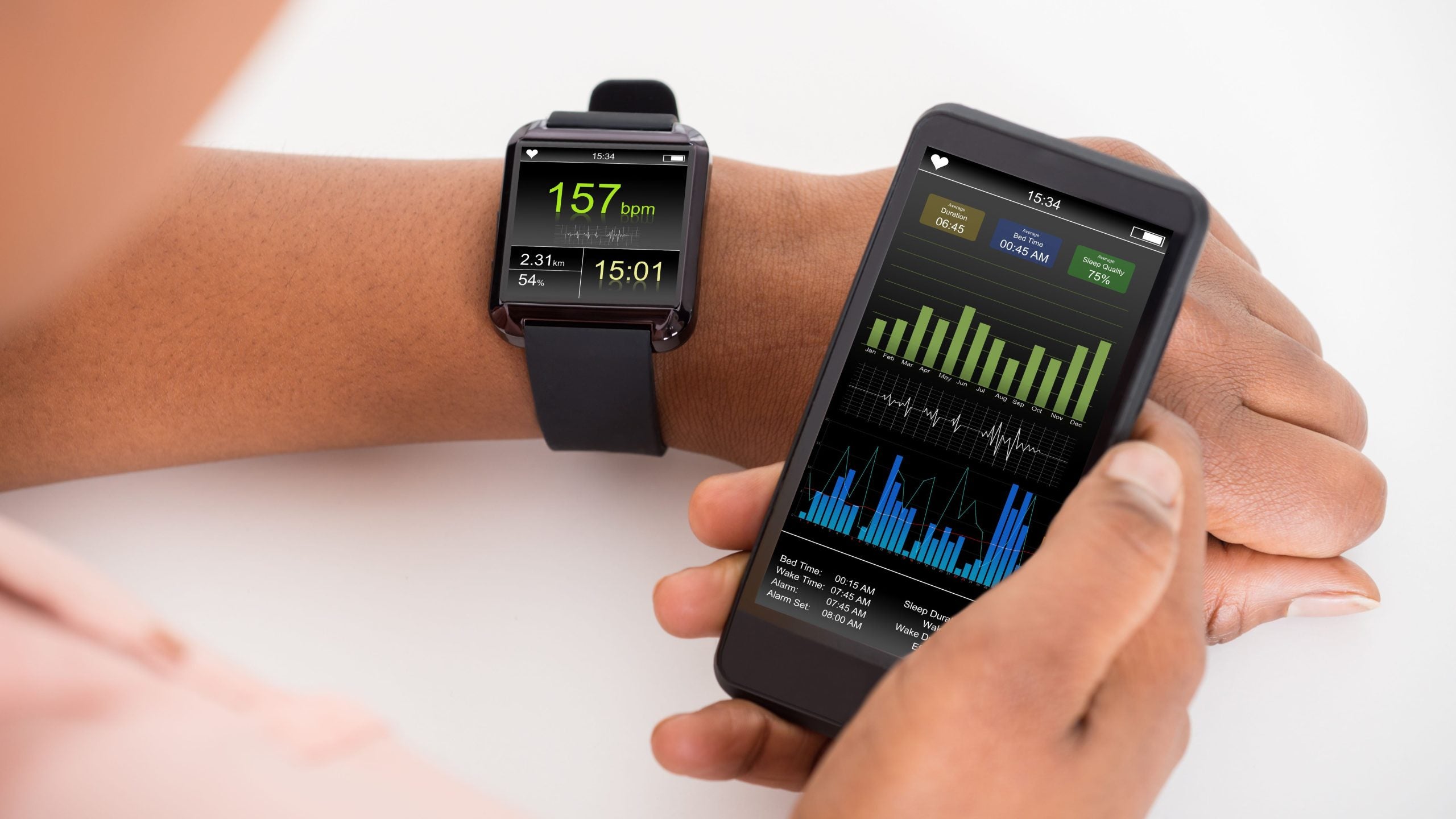
Remote patient monitoring
-
AI-powered diagnostics
-
At-home lab testing
-
Smartphone-based disease detection
-
Mental health therapy sessions
-
Chronic disease management tools
-
Virtual emergency care
According to the World Health Organization, telemedicine can significantly reduce hospital visits and extend patient access in remote areas (WHO Telehealth Overview).
Yet, despite its benefits, many patients admit:
“My doctor never explained how powerful it really is.”
Why Telehealth Is Growing Faster Than Doctors Expected
Doctors knew the digital platform was useful but they didn’t expect it to explode into a multi-trillion-dollar industry.
Reasons for the sudden boom:
1. Patients now prefer convenience over waiting rooms
Why drive 45 minutes…
…wait an hour…
…just to speak to a doctor for 7 minutes?
Patients want healthcare on their schedule, not the other way around.
2. Hospitals are overwhelmed
In many countries, hospitals face increased demand.
Telehealth reduces congestion by handling non-emergency care remotely.
3. Major government support
For example, the U.S. Centers for Disease Control and Prevention reports a massive rise in telemedicine during public health emergencies.
4. AI and remote tech made this service unstoppable
New tools can:
-
Detect heart irregularities
-
Track blood sugar
-
Monitor oxygen levels
-
Analyze sleep
-
Predict early symptoms
All from your phone, your watch, or smart sensors.
The Shocking Benefits Your Doctor Might Not Tell You
Many doctors don’t fully promote the technology not because it doesn’t work, but because:
-
Some clinics rely on physical visits for revenue
-
Many doctors were never trained for digital care
-
Older physicians prefer traditional interactions
-
Hospitals have slow digital policies
But behind the scenes, telehealth offers life-saving benefits that aren’t widely shared.
1. virtual support Helps Detect Diseases Earlier Than Hospital Visits
You read that right.
Remote monitoring devices catch abnormalities before symptoms become severe.
Examples:
-
Wearables detect arrhythmias early
-
Digital blood pressure cuffs alert doctors instantly
-
AI scans symptoms for red flags
-
Apps track daily changes invisible to the human eye
This means diseases like stroke, heart failure, and diabetes complications can be prevented early.
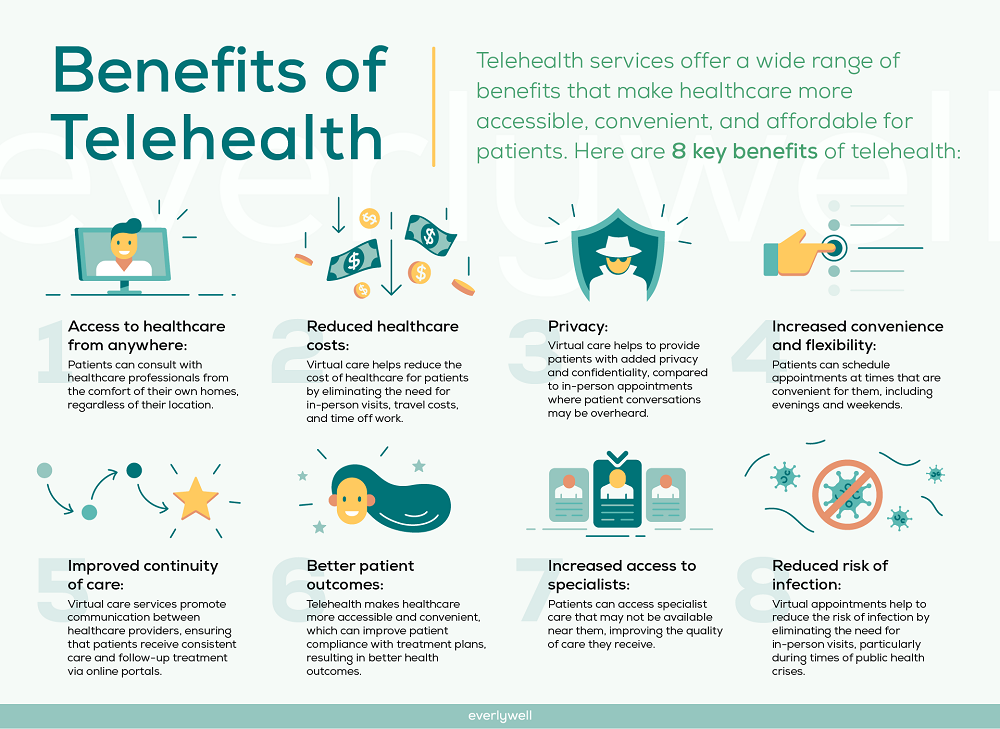
2. this service Saves Money A Lot More Than You Think
Doctors rarely mention this, but telehealth can cut health expenses by:
-
Avoiding hospital admission
-
Eliminating unnecessary tests
-
Reducing transportation costs
-
Preventing late-stage disease treatments
-
Cutting down on emergency visits
Many insurance companies now fully cover the technology, but few patients realize it.
3. You Get Faster Care Than Traditional Appointments
In traditional healthcare:
-
You book an appointment
-
You wait days or weeks
-
You travel
-
You wait again
-
You see the doctor
-
You get a prescription
-
You go to the pharmacy
With telehealth?
-
Appointment in minutes
-
Digital prescription
-
Medication delivered to your home (in many regions)
4. the technology Protects You From Hospital-Acquired Infections
Here’s a truth doctors rarely talk about:
Hospitals are one of the most common places to catch infections.
Telehealth reduces unnecessary hospital exposure, especially for:
-
Elderly patients
-
Newborns
-
Immunocompromised individuals
-
People with chronic diseases
5. Mental Health Treatment Is Easier and More Private
Teletherapy sessions reduce:
-
Stigma
-
Fear
-
Embarrassment
-
Long wait times
This is why virtual support is becoming the #1 choice for mental health worldwide.

The Hidden Risks No One Talks About (But You Should Know)
Every technology has risks. this service is no different.
Doctors sometimes avoid discussing these concerns, but transparency helps patients make better decisions.
1. Misdiagnosis Is Possible
Without physical examinations, some conditions may be overlooked.
2. Not all the digital platform apps are secure
Some collect data.
Some sell data.
Some have weak encryption.
Patients should only use licensed, reputable providers.
3. the technology cannot replace emergency care
Stroke
Heart attack
Severe injuries
Breathing difficulty
These require immediate, physical care.
4. Remote tools may fail
Connection issues, battery problems, or inaccurate readings can delay proper diagnosis.

Telehealth vs Traditional Healthcare: What No One Shows You
Below is a clear, scannable comparison table:
| Feature | Telehealth | Traditional Healthcare |
|---|---|---|
| Cost | Lower | Higher |
| Speed | Fast (minutes) | Slow (days–weeks) |
| Travel Required | None | Yes |
| Risk of Infection | Very low | High |
| Emergency Care | Not suitable | Suitable |
| Monitoring | 24/7 remote devices | Occasional checkups |
| Convenience | Extremely high | Limited |
| Doctor Access | Anytime, anywhere | Location-based |
| Mental Health Support | Private & accessible | Limited availability |
Why Telehealth Could Literally Save Your Life
Here’s where the virtual support story gets powerful.
1. this service can spot life-threatening changes instantly
For conditions like:
-
Heart failure
-
COPD
-
Diabetes
-
Hypertension
the digital platform/devices send instant alerts when something goes wrong.
A hospital visit might be weeks away…
Telehealth alerts doctors within seconds.
2. the digital platform is critical for people in remote or rural areas
Millions live hours away from the nearest hospital.
this service bridges that dangerous gap.
3. virtual support prevents emergencies before they happen
Example:
Remote blood pressure monitoring can prevent strokes.
Glucose sensors can prevent diabetic coma.
Pulse oximeters can detect respiratory failure early.
4. the technology saves time in emergencies
Many telehealth platforms:
-
Call emergency services
-
Share your vitals
-
Provide a medical summary
This speeds up response time dramatically.
Who Should NOT Rely Completely on Telehealth?
this service is powerful, but not perfect.
You should not rely on the digital platform alone if you:
-
Have severe chest pain
-
Have difficulty breathing
-
Have sudden weakness or numbness
-
Are bleeding heavily
-
Are experiencing mental health crisis
-
Require urgent surgery
-
Need imaging (X-ray, CT, MRI)
-
Need physical examination for injuries

The Future of Telehealth (2025 and Beyond)
Telehealth isn’t slowing down it’s accelerating.
What’s coming next?
1. AI-powered emergency predictions
Systems will predict:
-
Heart attacks
-
Strokes
-
Kidney failure
-
Infections
Before they happen.
2. Fully virtual hospitals
Some countries are already building 100% digital hospitals, where most treatments are remote except surgeries.
3. Home-based diagnostics
At-home testing for:
-
Blood tests
-
Hormone tests
-
Cancer markers
-
Infection screening
4. Smart homes with medical sensors
Homes will soon include:
-
Smart beds tracking heart rate
-
Smart mirrors detecting skin cancer
-
Smart toilets analyzing hydration and kidney function
5. Personalized digital doctors
AI assistants will:
-
Analyze your symptoms
-
Track your health patterns
-
Alert doctors
-
Provide tailored recommendations
These tools will work 24/7, something human doctors cannot do.
FAQs Frequently Asked Questions
1. What is the biggest advantage of telehealth?
Convenience and early detection. Telehealth gives faster care and can identify problems before they become severe.
2. Is the digital platform safe?
Yes—when using licensed, secure providers. Always check encryption and data policies.
3. Can this service replace physical doctors?
Not entirely. Telehealth works best for monitoring, follow-ups, mental health, and non-emergency care.
4. Does insurance cover telehealth?
Most insurers now cover telehealth for many services. Check with your provider to confirm.
5. Is the technology good for chronic diseases?
Absolutely. It helps track conditions daily instead of waiting months for a hospital appointment.
6. What is the biggest limitation of this service?
It cannot handle emergencies or provide physical diagnostic tests like X-rays.
Final Thoughts: The Truth Your Doctor May Not Say Out Loud
this service is not “just a trend.”
It is one of the most powerful medical breakthroughs of the 21st century, and it’s already saving lives daily.
Doctors may not always highlight its full potential, but now you know:
this service:
- detects disease earlier
-
gives faster care
-
cuts medical costs
-
protects you from hospital infections
-
increases access to specialists worldwide
If you use it wisely, it could literally save your life.
Ready to explore more life-changing health insights?
Click “Share Now” to help others discover the shocking truth about telehealth.**
Sources & References
- World Health Organization — Telemedicine Overview
- CDC — Telehealth and Public Health Emergencies
- NIH — Telehealth and Remote Patient Monitoring
- Mayo Clinic — Telehealth Benefits and Uses
- NIH — Hospital Acquired Infections
- American Psychiatric Association — Telepsychiatry
- HealthIT.gov — Telehealth and Health IT
Tags:
- digital health
- digital health transformation
- digital healthcare solutions
- doctor teleconsultation
- future of telehealth
- health awareness
- health innovations
- healthcare technology
- healthcare tips
- medical technology trends
- online doctor consultations
- online medical advice
- patient care online
- remote medical care
- remote patient monitoring
- shocking truth about telehealth
- telehealth
- telehealth benefits
- telehealth facts
- telehealth for patients
- telehealth guide
- telehealth risks
- telehealth trends 2025
- telemedicine
- telemedicine vs telehealth
- virtual health services
- virtual healthcare
- what is telehealth

Uchenna Francis-Xavier Boniface
Boniface Francis-Xavier Uchenna is a health content writer at Care Digitally, covering telehealth, mental health, online therapy, and digital health solutions to help readers make informed and confident healthcare decisions