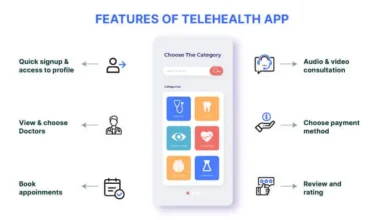
Introduction
Imagine waking up with a persistent, nagging pain, but instead of spending three weeks waiting for an appointment, you have a specialist on your screen in fifteen minutes.
The future of medicine isn’t just coming; it’s already living in your pocket, yet most patients are still walking into the digital age blindfolded.

Why You Need an Online Healthcare Guide 2025 Right Now
In 2025, the healthcare landscape has shifted from “digital-optional” to “digital-first.” We are no longer just talking about simple video calls; we are talking about AI-driven diagnostics, remote biometric monitoring, and decentralized clinical trials that you can participate in from your living room.
However, with this unprecedented convenience comes a new set of complexities. This Online Healthcare Guide 2025 is designed to help you navigate this frontier without falling into the traps of “Doctor Google” or compromising your most sensitive personal data.
Whether you are a digital native or someone who still prefers a physical clipboard, the reality is that your insurance, your prescriptions, and your specialist referrals are all migrating to the cloud. You don’t just need to know how to log in; you need to know how to thrive.
Understanding the Landscape: Telehealth Risks and Benefits
To truly master the modern medical world, we must look at the two sides of the digital coin. Understanding telehealth risks and benefits is the foundation of being an empowered patient in 2025.
The Benefits: Why the Digital Shift is a Lifesaver
-
Unprecedented Access: Geographical barriers have vanished. If you live in a rural area, you can now access top-tier specialists in New York or London without the cost of a plane ticket.
-
Time Efficiency: The average traditional doctor’s visit takes about two hours when you factor in travel and waiting rooms. A digital visit takes exactly as long as the consultation itself.
-
Chronic Disease Management: With connected devices, your doctor can see your blood pressure or glucose levels in real-time, allowing for proactive adjustments rather than reactive emergency room visits.
-
Lower Costs: Many digital-first clinics offer transparent, subscription-based pricing that bypasses the confusing “middleman” of traditional billing.
The Risks: What No One Tells You
While the perks are shiny, the telehealth risks and benefits balance requires a cautious eye.
-
Diagnostic Limitations: A doctor cannot physically palpate an abdomen or listen to heart murmurs with the same precision through a microphone.
-
Data Security Vulnerabilities: Your medical history is more valuable on the dark web than your credit card number. Not every app is built like a fortress.
-
The “Fragmented Care” Trap: If you use five different apps for five different problems, none of your doctors may be talking to each other, leading to dangerous medication interactions.
“The goal of digital health in 2025 isn’t to replace the human touch, but to ensure that the human touch is applied exactly where and when it is needed most.” Digital Health Review
Online Healthcare Guide 2025: Choosing Your Digital Front Door
In 2025, you have three main “types” of online healthcare providers. Knowing which one to choose for your specific symptom is the first step in your survival guide.
1. The Direct-to-Consumer (DTC) Platforms
These are the “Hims & Hers” or “Ro” of the world. They are great for specific, non-emergency issues like hair loss, skincare, or basic prescriptions. They are fast, but they rarely handle complex, multi-systemic diseases.
2. Hospital-Affiliated Portals
Your local hospital likely has a “MyChart” or similar portal. This is your safest bet for continuity of care. These platforms link directly to your physical medical records and your primary care physician.
3. Specialized Virtual Clinics
These platforms focus on one thing and do it well think virtual physical therapy, online-only oncology second opinions, or digital mental health platforms like BetterHelp.
Comparison of Online Care Models 2025
| Feature | DTC Platforms | Hospital Portals | Specialized Clinics |
| Speed | Instant / Same Day | 1-3 Days | Same Week |
| Complexity | Low (Minor Ailments) | High (Chronic/Acute) | Medium (Niche focus) |
| Cost | Fixed / Out-of-pocket | Insurance-based | Varies / Subscription |
| Data Privacy | Moderate | High (HIPAA Gold Standard) | High |
Navigating the “Survival” Part: Data Privacy and Security
If you are following this Online Healthcare Guide 2025, you must treat your health data like gold. In 2025, medical identity theft is at an all-time high.
How to Stay Secure:
-
Check for HIPAA Compliance: In the United States, any legitimate healthcare provider must follow the Health Insurance Portability and Accountability Act (HIPAA) to ensure your data is protected.
-
Use Two-Factor Authentication (2FA): Never log into a medical portal that only requires a password. If your lab results are behind a single-layer password, they aren’t safe.
-
Avoid Public Wi-Fi: Never discuss your symptoms or view your records while on coffee shop Wi-Fi. Use a VPN or your cellular data.
Telehealth Risks and Benefits: The AI Revolution
One cannot write an Online Healthcare Guide 2025 without mentioning Artificial Intelligence. By now, AI isn’t just a buzzword; it’s the engine behind your diagnosis.
AI as a Benefit:
AI can scan a photo of a skin rash and compare it against millions of images in seconds, often spotting anomalies that the human eye might miss. It acts as a “second opinion” that never gets tired.
AI as a Risk:
“Hallucinations” in medical AI are real. If an app gives you a diagnosis without a human doctor reviewing the data, be extremely skeptical. Always ask: “Is there a licensed physician in the loop?“
According to the World Health Organization’s guidelines on AI in health, transparency and human oversight remain the most critical factors in patient safety.

Step-by-Step: How to Prepare for Your First 2025 Virtual Visit
To get the most out of your digital appointment, you can’t just “show up.” You need a strategy.
1. The Tech Check
Five minutes before your call, check your camera, microphone, and lighting. Do not sit with a bright window behind you; the doctor will only see a silhouette.
2. The Vital Stats
If you have a home blood pressure cuff, a thermometer, or a pulse oximeter, take your readings right before the call. This data is the “physical exam” of the digital world.
3. The “Concise History”
Online doctors are often on a tight schedule. Have a bulleted list of:
-
When your symptoms started.
-
What makes them worse.
-
What medications (including supplements) you are currently taking.
4. The Exit Strategy
Before you hang up, ensure you know the next steps. Do you need a lab test? Where is the prescription being sent? When is the follow-up?
Mental Health in the Digital Age: A 2025 Perspective
The area where the Online Healthcare Guide 2025 shines brightest is mental health. In 2025, the stigma has faded, but the “platform fatigue” is real.
Digital therapy has made care accessible to millions who were previously priced out or lived in “therapy deserts.” However, the telehealth risks and benefits in mental health are unique.
-
Benefit: You can choose a therapist based on their specific expertise rather than their proximity to your house.
-
Risk: The “text-only” therapy models. While convenient, many psychologists argue that without vocal tone and facial expressions, significant nuances of mental health can be missed.
Prescription Safety: Avoiding the “Wild West”
Getting your meds online is one of the greatest conveniences of 2025, but it is also a minefield.
-
Only use verified pharmacies: Look for the “VIPPS” seal (Verified Internet Pharmacy Practice Sites).
-
Beware of “No Prescription Required” sites: If a website offers you regulated medication without a consultation or a prescription, it is illegal and the drugs are likely counterfeit.
-
Compare Prices: Use tools like GoodRx or Amazon Pharmacy to see the “real” price of your meds before you pay the insurance copay, which is sometimes higher than the cash price!

The Role of Wearables in Your Online Healthcare Guide 2025
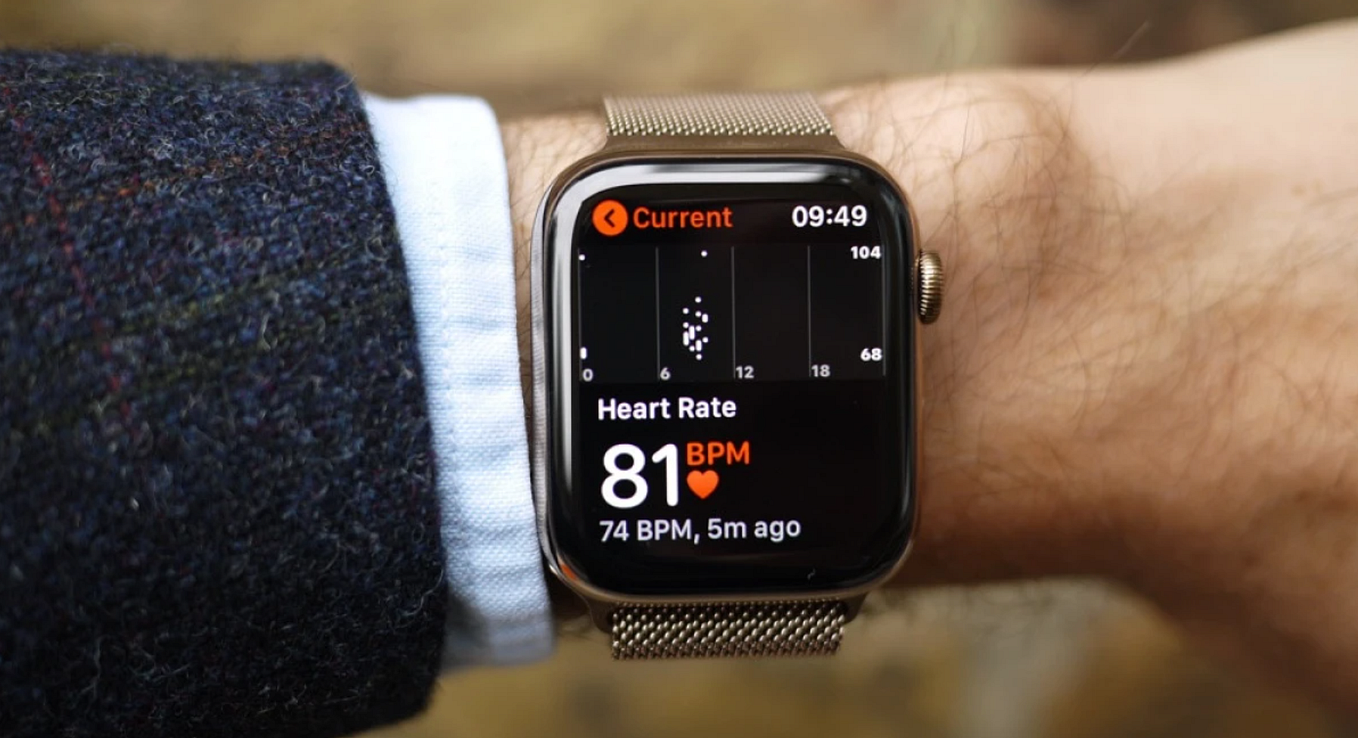
Your Apple Watch, Oura Ring, or Whoop strap is no longer just a fitness tracker it is a medical grade monitoring tool.
In 2025, your Online Healthcare Guide 2025 strategy should include “Data Sharing.” Many doctors can now “subscribe” to your wearable data. If your resting heart rate spikes over three days, an automated alert can be sent to your care team.
This is the ultimate survival hack: moving from reactive medicine (fixing what’s broken) to predictive medicine (preventing the break).
Frequently Asked Questions (FAQ)
What is the most important part of an Online Healthcare Guide 2025?
The most important part is learning how to verify your provider. Always ensure the platform is HIPAA compliant and that your “doctor” is a licensed practitioner in your jurisdiction.
Are there hidden telehealth risks and benefits I should know about?
A hidden benefit is the ability to record your sessions (with permission), allowing you to review the doctor’s advice later. A hidden risk is “upcoding,” where platforms might overcharge for a simple 5-minute chat. Always review your itemized bill.
Does insurance cover online healthcare in 2025?
Yes, most major insurers now treat “Virtual Visits” with the same weight as in-person visits. In fact, many offer $0 copays for telehealth to encourage its use.
Can online doctors prescribe all medications?
No. Controlled substances (like certain pain or ADHD medications) often require an initial in-person visit due to federal regulations, though these laws are currently in a state of flux in 2025.
What should I do if my digital health app is hacked?
Immediately change your passwords, notify your insurance provider to watch for fraudulent claims, and place a credit freeze if you suspect your Social Security number was linked to the account.
The Verdict: Your Health, Your Control
The Online Healthcare Guide 2025 isn’t about replacing your family doctor. It’s about expanding your toolkit. It’s about knowing that when your child has a fever at 2 AM, you don’t have to panic in an ER waiting room. It’s about knowing that your mental health is just a click away.
By weighing the telehealth risks and benefits, staying vigilant about your data, and embracing the power of AI and wearables, you aren’t just surviving the digital health revolution you are leading it.
The doctor is “in.” Are you ready to log on?
Read More: The Shocking Truth About Online Health Consultations… Doctors Finally Reveal What Patients Never Ask
Share Now: Help your friends and family stay safe in the digital age by sharing this guide
Sources & References