Introduction
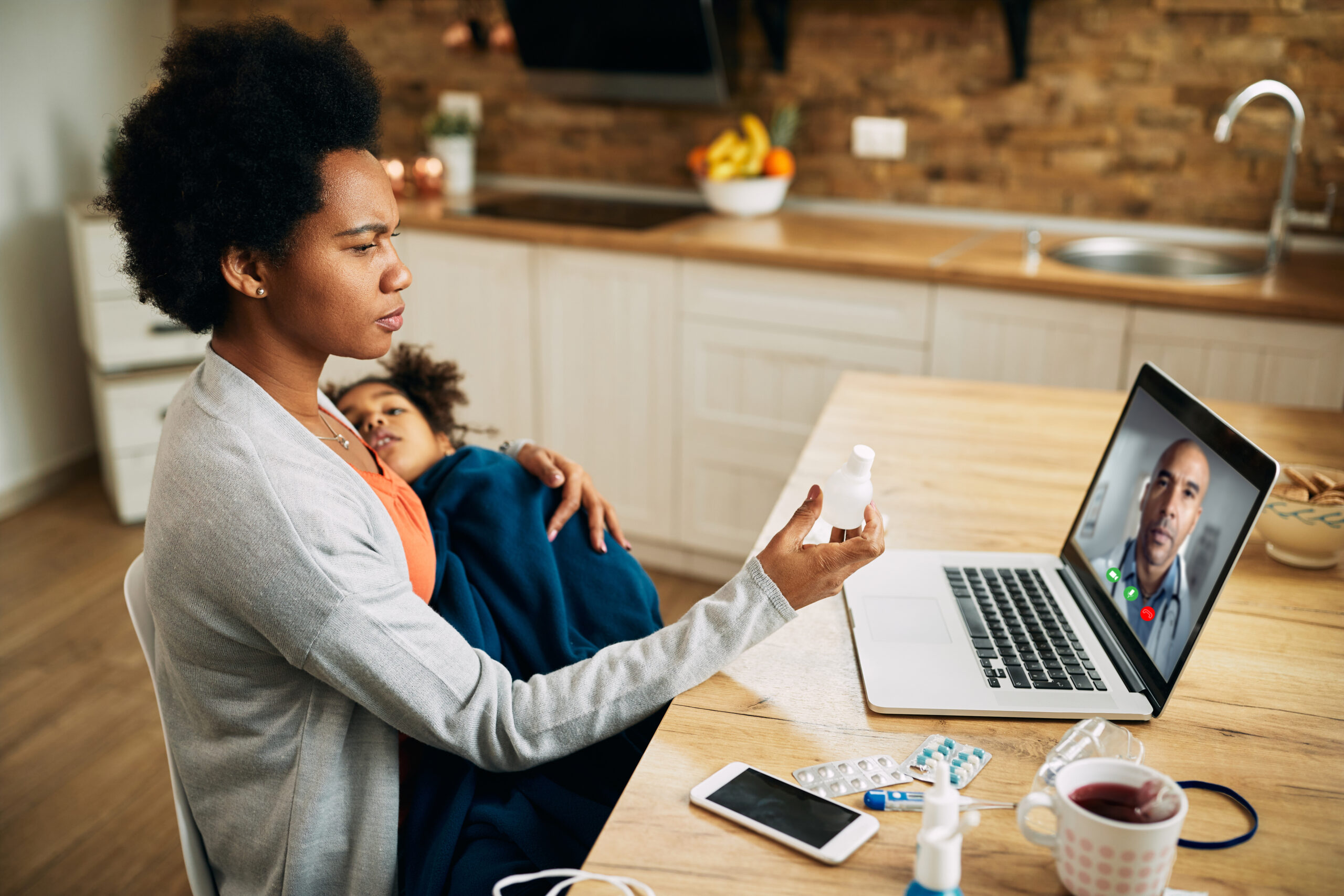
Imagine sitting in your living room, coffee in hand, waiting for a doctor to appear on your laptop screen. It feels like the future, doesn’t it?
But behind that high-definition glow and the convenience of staying in your pajamas lies a reality most patients never see and even fewer think to ask about.

Why Online Health is the New Frontier of Medicine
For decades, the “doctor’s office” meant stale magazines, uncomfortable plastic chairs, and the distinct smell of antiseptic. Today, the landscape of online health has shifted that paradigm entirely.
We aren’t just talking about a trend; we are witnessing a complete structural overhaul of the global healthcare system. But as we rush toward convenience, are we sacrificing quality? Or is it possible that online health consultations are actually better than the traditional model?
Doctors are finally breaking their silence. They want you to know that while the digital door is open, the way you walk through it determines the level of care you receive.
The Hidden Reality of Online Health Consultations
When you book one of your first online medical consultations, you likely focus on the “how.” How do I log in? How do I pay? How do I get my prescription?
However, doctors reveal that the “what” is far more important. The “what” is the data, the privacy, and the diagnostic limitations that no one talks about at the dinner table.
1. The “Digital Bedside Manner” Gap
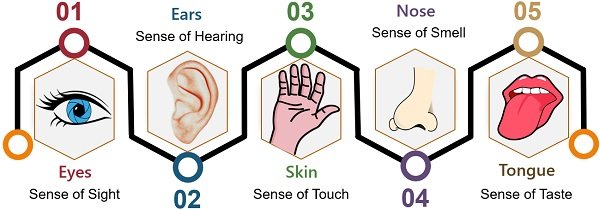
In a physical exam, a doctor can smell your breath (for signs of ketoacidosis), see the subtle tremor in your hand, or notice the way you limp into the room. In the world of online health, those sensory cues are gone.
2. The Tech Is a Tool, Not a Replacement
Expert practitioners emphasize that online health is a supplement. It is an incredible tool for follow-ups, mental health, and dermatology, but it has boundaries. The shocking truth? Many patients treat a Zoom call like a magic wand, expecting a diagnosis that requires a physical touch.
What Doctors Wish You Would Ask During Virtual Health Consultations
If you want to get the most out of your medical care, you have to stop being a passive viewer and start being an active participant. According to lead researchers at The World Health Organization, digital health literacy is the single greatest factor in positive patient outcomes.
Here is the list of “The Unasked Questions” that could save your life:
-
“How is my data being encrypted?” Most patients assume HIPAA compliance is a given, but third-party platforms can sometimes be leaky.
-
“Is this platform integrated with my primary care records?” Fragmented care is the enemy of recovery.
-
“What are the physical ‘red flags’ I should look for that this call can’t catch?” This forces the doctor to give you a “homework” checklist.
Comparing the Experience: Online Health vs. In-Person Care
To truly understand the value of online health, we need to look at the data objectively. Not every ailment is suited for a screen.
| Feature | Online Health Consultations | In-Person Visits |
| Average Wait Time | 5–15 Minutes | 45–90 Minutes |
| Infection Risk | Zero | High (Waiting Rooms) |
| Physical Exam | Visual Only / Guided | Comprehensive |
| Cost | Generally Lower | Generally Higher |
| Accessibility | Global / Remote | Local Only |
| Emergency Use | Not Recommended | Essential |
The “Secret” Psychology of the Virtual Waiting Room
There is a psychological phenomenon occurring in online health that doctors are just beginning to understand. Patients tend to be more honest behind a screen but they also tend to be more distracted.
We’ve all done it: checking emails while the doctor explains a dosage, or half-listening while the kids play in the background. Doctors reveal that the “shocking truth” is that distraction leads to a 30% drop in treatment adherence.
If you treat remote health consultations with the same reverence as a surgical suite, your health outcomes skyrocket.
Maximizing Your Online Health Experience: A Step-by-Step Guide
To ensure you aren’t just another face on a screen, you need to optimize your environment. Online health is a two-way street.
Step 1: Lighting and Sound
If the doctor can’t see your skin tone or hear your cough clearly, the consultation is compromised. Sit facing a window. Use headphones with a mic.
Step 2: The “Vital Sign” Self-Check
Before you log on for any online health consultations, have your numbers ready.
-
Current weight.
-
Blood pressure (if you have a cuff).
-
Temperature.
-
Heart rate.
Step 3: The List of Three
Doctors are often on a tight schedule. To dominate the online health space, have your top three concerns written down. Don’t leave the most important one for “Oh, by the way…” at the end.
The Dark Side of Online Health: What to Watch Out For
We cannot talk about the benefits of online health without addressing the risks. The internet is a wild frontier, and not every “consultation” is legitimate.
The rise of “pill mills” disguised as digital health consultations is a growing concern. These are platforms designed to move prescriptions rather than provide care.
Expert Tip: Always verify that your provider is board-certified and that the platform is accredited by bodies like The American Telemedicine Association.
-
Red Flag #1 : No video—only text-based “consultations.”
-
Red Flag #2 : Pressure to buy specific brand-name supplements.
-
Red Flag #3 : Lack of a clear privacy policy.
How Online Health Is Revolutionizing Chronic Disease Management
For those living with chronic conditions, online health isn’t just a convenience it’s a lifeline. Managing diabetes, hypertension, or thyroid issues requires constant monitoring.
In the past, this meant monthly trips to the clinic. Now, through telehealth services, doctors can monitor patient data in real-time via wearable tech. This proactive approach prevents “crashes” before they happen.
The Future of Online Health: AI, VR, and Beyond
What comes next? The “Shocking Truth” is that the online health we see today is the “Stone Age” version of what’s coming.
AI-Driven Triage
Before you even see a human during your online medical consultations, an AI might analyze your symptoms, cross-reference them with millions of medical papers, and provide the doctor with a “probability map” of your condition.
Virtual Reality Therapy
Imagine being treated for PTSD or physical therapy through a VR headset, with your doctor guiding you through a digital environment. This is no longer science fiction; it is the burgeoning reality of online health.
Financial Insights: Is Online Health Actually Cheaper?
One of the biggest drivers of online health is the perceived cost savings. But is it actually cheaper for the patient?
-
Direct Costs: Often, a digital co-pay is lower than an in-office one.
-
Indirect Costs: No gas, no parking fees, and no missed hours of work.
-
Preventative Savings: Because online health consultations are easier to attend, patients are less likely to skip them, leading to fewer expensive ER visits later.
Frequently Asked Questions (FAQ)
Is online health as effective as in-person care?
For many conditions, yes. Studies show that virtual health consultations for mental health, dermatology, and routine follow-ups have outcomes equal to or better than in-person visits due to increased attendance.
Can I get a prescription through online health?
Yes, doctors can prescribe most non-controlled substances during online health consultations. However, laws vary by region regarding certain medications.
What equipment do I need for online health?
At a minimum, a smartphone or computer with a camera and a stable internet connection. A thermometer and blood pressure cuff are highly recommended for a more thorough online health experience.
Is my privacy protected during a digital visit?
Legitimate platforms use end-to-end encryption. However, you should always conduct your online health consultations on a private Wi-Fi network never on public Wi-Fi at a coffee shop.
How do I find a reputable online health provider?
Look for established health systems or platforms that allow you to see the credentials and reviews of their doctors. Transparency is the hallmark of quality online health.
Conclusion: Taking Control of Your Digital Journey
The “Shocking Truth” isn’t that online health is a scam or a miracle it’s that it is a powerful, neutral tool that depends entirely on how you use it.
By asking the right questions, preparing your environment, and understanding the limitations of online health consultations, you transition from a passive patient to a master of your own well-being. The future of medicine is here, and it’s glowing right in front of you.
Are you ready to stop being a spectator and start being an advocate for your own health?
Share Now: Share this article with someone who’s nervous about their first digital doctor’s visit
Sources & References
- World Health Organization — Digital Health Literacy
- American Telemedicine Association — Telehealth Standards
- NIH — Telehealth Effectiveness for Chronic Disease
- NIH — Virtual Mental Health Outcomes
- HealthIT.gov — Telehealth Privacy and Security
- CDC — Telehealth and Chronic Disease Management
- Mayo Clinic — Online Health Consultations