Introduction:
What if a simple daily habit could quietly improve your health, energy, and overall well-being?
Most people assume long-term wellness comes from:
-
Fancy superfoods
-
Daily gym sessions
-
Expensive supplements
-
Extreme wellness routines
But science shows a different story. The real key to better health and vitality lies in healthy sleep habits — simple, accessible practices that anyone can adopt.
It doesn’t require luxury memberships or complicated biohacks. Just small adjustments to your nightly routine can make a meaningful difference. Yet, millions of people overlook these habits every day.
The Hidden Health Tip That Could Add 10 Extra Years to Your Life (Revealed)
The secret is: high-quality, consistent, restorative sleep.
Not merely sleeping more hours but sleeping better, deeper, and with regularity.
According to a recent large-scale study, adults who chronically sleep fewer than 7 hours per night show significantly higher risk of early death and cardiovascular events compared to those getting around 7–8 hours nightly. JAMA Network+2PubMed+2
Further, sleep experts warn that poor sleep or irregular patterns raise risks for heart disease, metabolic disorders, cognitive decline, and shortened lifespan. www.heart.org+2American Heart Association+2
So this isn’t hype it’s backed by research, with long-term data on real health outcomes.
Why Most People Ignore the Hidden Health Tip That Could Add 10 Extra Years to Your Life
If it’s so powerful, why do most people skip it?
Hustle Culture Glorifies Burn‑Out
Modern society often praises:
-
“Sleep is for the weak”
-
“I’ll sleep when I’m rich”
-
“Work while others sleep”
This mindset makes rest feel like laziness not the critical health tool it actually is.
People Underestimate What Sleep Actually Does
Many see sleep as downtime but during sleep, your body and brain perform vital maintenance:
-
Repairing damaged cells and tissues
-
Regulating hormones
-
Clearing toxins from the brain
-
Strengthening immune function Mayo Clinic MC Press+1
Sleep isn’t optional; it’s foundational.
Modern Technology and Irregular Lifestyles Disrupt Sleep
Late-night phone use, screen light exposure, shift work, or inconsistent wake/sleep times all damage sleep quality. Recent studies show sleep regularity not just duration may be even more important for longevity. OUP Academic+1

How the Hidden Health Tip That Could Add 10 Extra Years to Your Life Works, What Sleep Does for Your Body
Good sleep doesn’t just feel good it triggers vital biological processes that affect longevity.
Heart & Vascular Protection
-
Consistent good sleep helps regulate blood pressure, reduce inflammation, and maintain healthy heart rhythms. American College of Cardiology+1
-
Chronic insufficient or irregular sleep significantly raises the risk of heart disease, stroke, and cardiovascular-related death. SpringerLink+2PubMed+2
Metabolism & Weight Control
Studies show that poor sleep disrupts hunger hormones, leading to overeating and fat accumulation especially dangerous visceral fat linked to metabolic disease. Mayo Clinic MC Press+1
Regular, restorative sleep supports healthy metabolism and helps prevent obesity, type‑2 diabetes, and other metabolic disorders.
Brain Health & Detox
During deep sleep, the brain flushes out toxic metabolic by-products. This “brain-cleaning” process reduces risk for neurodegenerative diseases like dementia and Alzheimer’s. Mayo Clinic MC Press+1
Cellular Repair, Hormone Balance & Immune Strength
Sleep triggers the release of growth hormones and supports cellular repair. It also aids immune system regulation helping defend against infections and chronic inflammation. Mayo Clinic MC Press+1
In effect, each night of good sleep lets your body heal, reset, and prepare for a healthier tomorrow.
Sleep vs No Sleep: Proof That the Hidden Health Tip Could Add 10 Extra Years to Your Life
Here’s a comparison outlining how quality sleep stacks up against chronic poor sleep:
| Health Factor / Outcome | Poor Sleep (≈ 5–6 h or irregular) | Quality Sleep (≈ 7–9 h, regular) |
|---|---|---|
| All-cause mortality risk | Increased significantly (higher death rate) JAMA Network+1 | Lower mortality risk; better survival rates PubMed+1 |
| Cardiovascular disease risk | Much higher (heart disease, stroke) SpringerLink+1 | Reduced risk of heart disease, stroke, vascular issues American College of Cardiology+1 |
| Metabolic and weight regulation | Increased insulin resistance, obesity risk Mayo Clinic MC Press+1 | Balanced metabolism, stable weight, reduced disease risk |
| Brain health & cognitive longevity | Higher risk of neurodegeneration, poor memory, cognitive decline Mayo Clinic MC Press+1 | Better cognitive health, lower risk of dementia, clarity of mind |
| Immune & repair system | Impaired repair, weaker immunity, inflammation Mayo Clinic MC Press+1 | Strong immune response, optimal cell repair and hormone balance |
| Quality of life & daily energy | Fatigue, mood swings, low energy, poor life quality | Steady energy, balanced mood, better overall wellbeing |
This makes it easy to see how over years or decades proper sleep becomes a decisive factor in prolonging life and enhancing quality of living.
Hidden Health Tip Deep Dive: Why Sleep Can Add 10 Extra Years to Your Life
Let’s deepen our understanding. The claim that this hidden health tip can add 10 years to your life isn’t just motivational fluff it’s grounded in long-term population studies and a growing body of sleep-health research.
-
A major meta-analysis found both short sleep (< 7 hours) and overly long sleep (> 9 hours) were associated with increased mortality and cardiovascular events showing optimal sleep window is essential. PubMed+1
-
Longitudinal data following tens of thousands over decades found chronic short sleepers had the highest risk of death compared to those with stable, adequate sleep. JAMA Network+1
-
Experts now argue that sleep regularity consistent bed/wake times may matter even more than just total hours. Irregular sleep patterns disrupt circadian rhythm and increase disease risk. OUP Academic+1
Altogether, these findings suggest that missing sleep regularly or maintaining erratic patterns effectively chips away at your health reducing lifespan, resilience, and vitality.
When sleep is restored and respected, you give your body the chance to regenerate and defend itself — potentially adding years of healthy living to your lifespan.
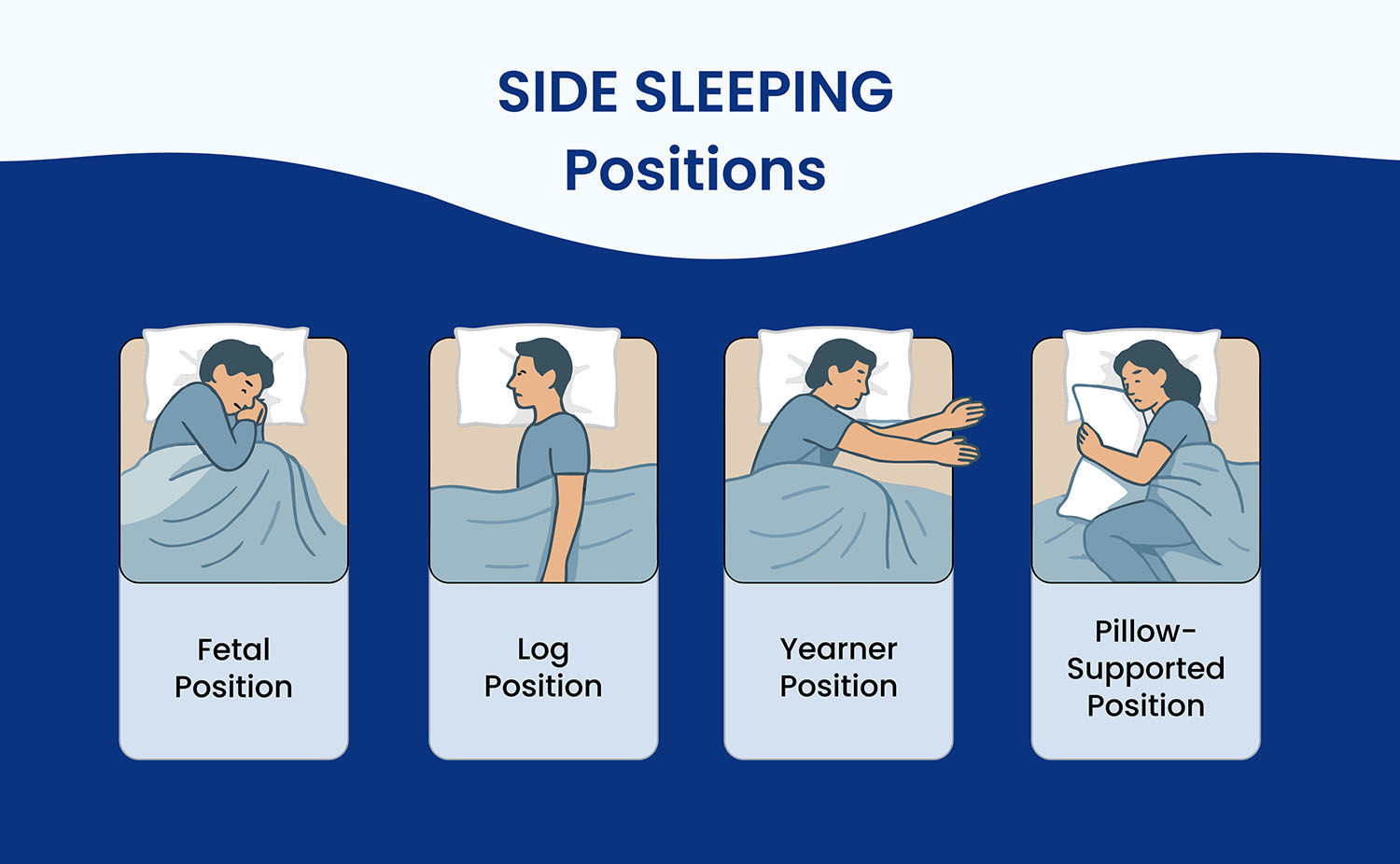
Step-by-Step Guide to Using the Hidden Health Tip That Could Add 10 Extra Years to Your Life
You don’t need perfection. You just need consistency and smart habits. Here’s how to start now:
1. Set a Fixed Bedtime & Wake Time
Stick to the same schedule even on weekends. Your internal clock (circadian rhythm) thrives on regularity.
2. Prioritize 7–9 Hours Sleep per Night
Aim for the sweet spot most linked to lower mortality and better health outcomes.
3. Create a Sleep‑Friendly Environment
-
Keep the room dark, quiet, and cool
-
Use blackout curtains or an eye mask
-
Remove bright screens or lights
4. Wind-Down Routine Before Bed
Try light stretching, reading a book, gentle breathing or meditation. Avoid screens at least 30–60 minutes before bed.
5. Watch Diet & Evening Habits
Avoid heavy meals, caffeine, or alcohol late at night. Prefer lighter snacks or calming herbal tea.
6. Manage Stress & Mental Load
Chronic stress disrupts sleep quality. Use journaling, mindfulness, or calm music to relax before sleep.

Start with small changes and build consistency. Over time, these habits compound, turning sleep into your greatest ally for longevity.
Common Sleep Mistakes That Secretly Steal Years Off Your Life
Avoid these silent but harmful habits:
-
Regularly sleeping less than 6 hours
-
Having irregular sleep patterns (weekend vs weekday differences)
-
Keeping screens (phones, TVs) on before bed
-
Drinking caffeine or heavy meals late at night
-
Sleeping in a bright, noisy, or warm room
-
Ignoring persistent sleep problems insomnia, frequent waking, poor quality rest
Each of these reduces sleep quality, undermining the “hidden health tip” and gradually increasing health risks.
Real-World Evidence: How Quality Sleep Translates into Longer, Healthier Lives
Research doesn’t lie. Here’s what large-scale health studies show:
-
People who follow good sleep habits show significantly lower all-cause and cardiovascular mortality over long-term studies. JAMA Network+2SpringerLink+2
-
Sleep quality — not just sleep duration strongly correlates with reduced death rates and lower disease risk. The Guardian+1
-
Even after adjusting for factors like diet, exercise, smoking, and stress, sleep remains a strong independent predictor of long-term health outcomes. PubMed+2American College of Cardiology+2
That tells us: sleep isn’t just optional it’s essential. The health benefits we get from good food or exercise are amplified when sleep is optimized.
Frequently Asked Questions (FAQ): Sleep & Longevity Edition
How many hours of sleep can really add years to your life?
Most evidence points to 7–9 hours per night as optimal for adults. Both shorter and significantly longer sleep durations were linked to higher mortality. PubMed+1
Can irregular sleep patterns negate the benefits of enough sleep hours?
Yes. Studies on sleep regularity show that even with proper hours, inconsistent bed/wake times increase cardiovascular and mortality risk. OUP Academic+1
Does good sleep really prevent heart disease, diabetes, or dementia?
Good sleep significantly lowers risk. Poor sleep is associated with elevated risk of heart disease, metabolic disorders, impaired glucose regulation, and worse brain health. Mayo Clinic MC Press+2PubMed+2
Is sleep quality more important than sleep quantity?
Yes quality matters a lot. Deep, uninterrupted, regular sleep cycles may be more beneficial than simply clocking hours. www.heart.org+1
Can I make up for lost sleep on weekends?
Occasional catch-up sleep helps, but regular patterns matter more. Consistently erratic sleep undermines benefits even if total hours are high. OUP Academic+1
Why The Hidden Health Tip That Could Add 10 Extra Years to Your Life Is Ignored And How to Fix That
This hidden health tip remains ignored because:
-
It’s not flashy or marketable
-
It doesn’t involve buying anything
-
Society glorifies “grind mode” and undervalues rest
-
People see sleep as optional “downtime” not the foundation of health
But ignoring sleep is like refusing to charge your phone for days and expecting it to run at 100%. In our busy, always‑on world, making sleep a priority is the one health habit that repays you daily.
How to fix that mindset shift:
-
Treat sleep as non-negotiable like eating or breathing
-
Build sleep-conscious habits (regular schedule, screen limits, relaxing bedtime)
-
Track sleep quality, not just duration use sleep journals or trackers if helpful
-
Recognize sleep as the backbone of your long-term health strategy
Final Thoughts: Embrace the Hidden Health Tip That Could Add 10 Extra Years to Your Life
You don’t need a magic pill. You don’t need extreme diets or complex routines.
You only need to give your body and mind the rest they deserve.
Quality sleep is the undervalued superpower we all already own. It doesn’t cost, but it pays in longevity, energy, clarity, resilience, and peace.
If you commit to restful nights, you give yourself the gift of many more healthy, vibrant mornings.
The hidden health tip that could add 10 extra years to your life starts tonight.

Share Now • Read More
Sources & References