
Introduction
Imagine a world where the constant “food noise” in your head finally goes silent. For millions, that isn’t a dream anymore—it’s the reality of the new era of medical science.
We are living in a transformative moment for metabolic health, where the struggle for weight management is shifting from a battle of “willpower” to a conversation about biology.
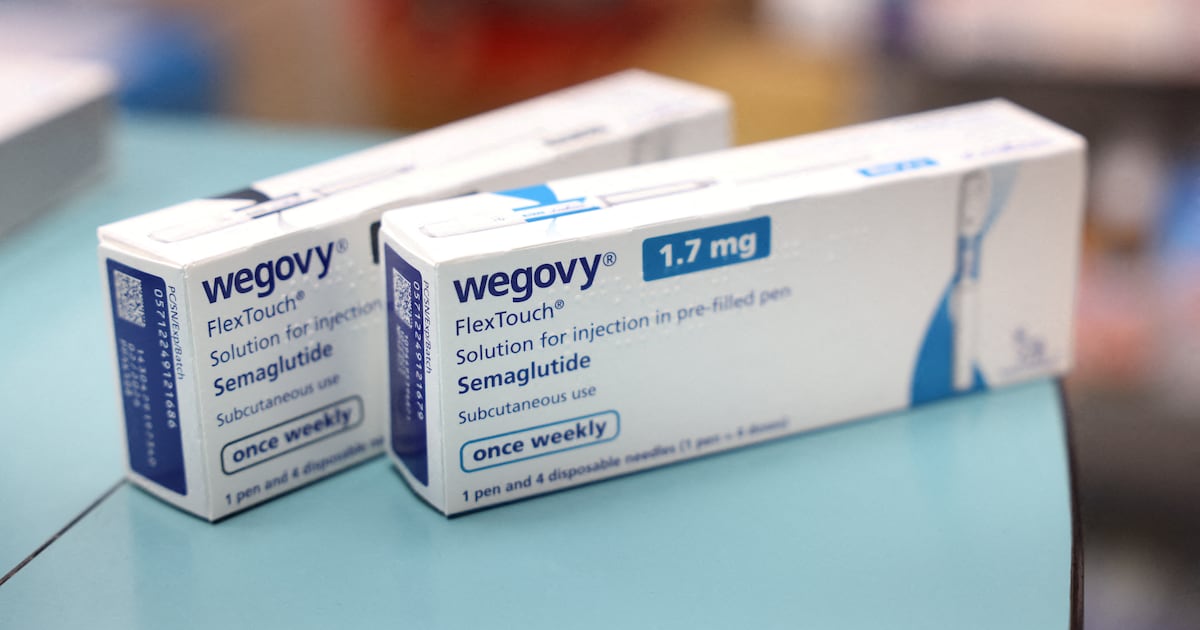
Why Weight Loss Drugs Are Changing the Conversation
For decades, the advice was simple: “Eat less, move more.” But for many, that equation never quite added up. Biology often fought back, making sustainable progress feel impossible.
The arrival of sophisticated weight loss drugs has turned the tide. These aren’t just “diet pills” of the past; they are complex biological tools designed to work with your hormones.
In this guide, we are going to dive deep into everything you need to know. Whether you’re a beginner curious about the buzz or an expert looking for clinical nuances, we’ve got you covered.
Key Insight: Obesity is now widely recognized by major health organizations as a chronic disease, not a moral failing.
The Evolution of Weight Loss Drugs: How We Got Here
The journey of pharmacological weight management has been a long one. From the thyroid hormones of the 1800s to the amphetamines of the mid-20th century, the road has been rocky.
Today, we have entered the age of GLP-1 (Glucagon-like peptide-1) receptor agonists. Originally designed to treat Type 2 diabetes, these medications showed a “side effect” that changed the world: significant weight loss.
How These Medications Work in the Body
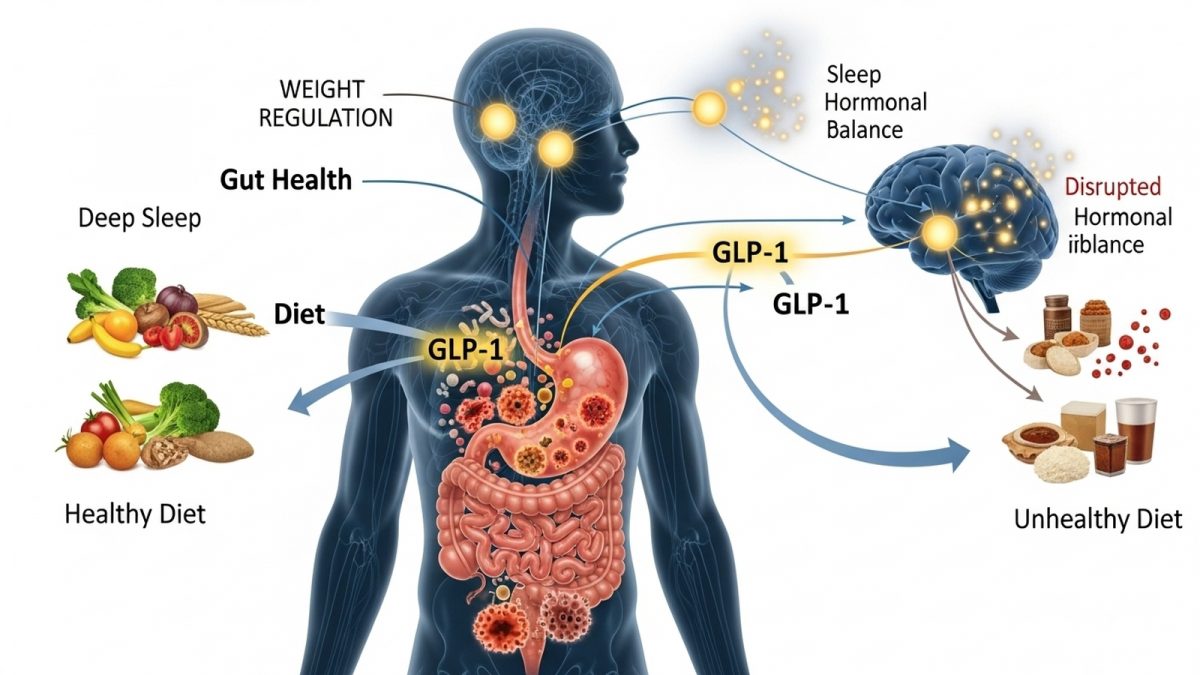
Most modern weight loss drugs target the brain-gut axis. They mimic hormones that your body naturally produces to signal fullness.
When you eat, your gut releases hormones that tell your brain, “Hey, we’re good here.” In many people with obesity, this signaling is dampened. Drugs like semaglutide and tirzepatide amplify that signal, helping you feel satisfied with smaller portions.
)
Understanding the Benefits and Risks of Weight Loss Drugs
Before starting any medical journey, you have to weigh the scale. The benefits and risks of weight loss drugs are multifaceted and vary from person to person.
The Life-Changing Benefits
It’s not just about the number on the scale. The systemic improvements can be profound:
-
Cardiovascular Health: Significant reduction in the risk of heart attack and stroke.
-
Metabolic Correction: Improved insulin sensitivity and blood sugar control.
-
Mobility: Reduced pressure on joints, leading to less chronic pain.
-
Mental Well-being: For many, the reduction in “food noise” leads to better mental clarity and less anxiety around eating.
The Potential Risks
No medication is without its downsides. Understanding the benefits and risks of weight loss drugs means looking at the side effects:
-
Gastrointestinal Issues: Nausea, vomiting, and diarrhea are common as the body adjusts.
-
Muscle Loss: Rapid weight loss can lead to the loss of lean muscle mass if not paired with protein and strength training.
-
Rare Complications: Issues like pancreatitis or gallbladder problems have been noted in clinical settings.
According to the Mayo Clinic, these medications are most effective when used as a tool alongside lifestyle changes, rather than a standalone “magic bullet.”
Comparison Table: Popular Weight Loss Drugs at a Glance
| Medication | Primary Use | Mechanism | Average Weight Loss | Common Side Effects |
| Semaglutide (Wegovy) | Weight Management | GLP-1 Agonist | ~15% | Nausea, Constipation |
| Tirzepatide (Zepbound) | Weight Management | GLP-1 & GIP Agonist | ~20% + | Diarrhea, Decreased Appetite |
| Liraglutide (Saxenda) | Weight Management | Daily GLP-1 | ~8% | Injection site reaction |
| Phentermine | Short-term Weight Loss | Sympathomimetic | ~3-5% | Increased heart rate, Insomnia |
Navigating the Different Types of Weight Loss Drugs
When people talk about weight loss drugs today, they are usually referring to one of three categories. Let’s break them down so you can understand the nuances.
1. Injected Incretins (The “Game Changers”)
This category includes the heavy hitters like Wegovy and Zepbound. They are generally taken once a week. They work by mimicking hormones that slow gastric emptying, meaning food stays in your stomach longer, making you feel full for hours.
2. Oral Appetite Suppressants
These are often older medications like Phentermine or Contrave. They work primarily by stimulating the central nervous system to reduce hunger or by targeting the reward system in the brain to reduce cravings.
3. Nutrient Absorbtion Blockers
Orlistat (Alli) is the primary player here. Instead of changing your brain chemistry, it prevents your intestines from absorbing some of the fat you eat.

Why “Food Noise” is the Key to Success
One of the most profound things patients report when starting weight loss drugs is the disappearance of “food noise.”
What is food noise? It’s the constant, intrusive thoughts about the next meal, the snacks in the pantry, or the leftovers in the fridge. For someone with a hyper-active hunger drive, this noise is exhausting.
By quieting this internal chatter, these drugs allow individuals to make conscious, healthy choices rather than being driven by biological impulses. This is a primary reason why the benefits and risks of weight loss drugs lean so heavily toward the “benefit” side for those with chronic obesity.
The Role of Nutrition and Exercise
You might think that if the drug is doing the work, you can eat whatever you want. This is a common misconception.
To maximize the potential of weight loss drugs, you must focus on:
-
Protein Intake: To prevent the muscle wasting mentioned in the risks section.
-
Strength Training: Keeping your metabolic rate high by maintaining muscle.
-
Hydration: Many of these drugs can cause dehydration if you aren’t careful.
The Cleveland Clinic emphasizes that these medications are intended to be part of a “comprehensive weight management program.”
Addressing the Stigma: Is It “Cheating”?
There is a lingering social stigma that using weight loss drugs is the “easy way out.”
Let’s be clear: using a tool to fix a biological system that isn’t functioning correctly isn’t cheating. It’s healthcare. We don’t tell people with poor eyesight that wearing glasses is “cheating” at seeing. We don’t tell people with asthma that using an inhaler is “cheating” at breathing.
Weight management should be viewed through the same lens of medical necessity.
Cost and Accessibility: The Elephant in the Room
While the science is amazing, the price tag can be daunting. Without insurance, many of the leading weight loss drugs can cost over $1,000 per month.
-
Insurance Coverage: Many plans are beginning to cover these drugs, but it is often “employer-dependent.”
-
Compounded Alternatives: Some people turn to compounded versions, but these come with their own set of risks regarding quality control.
-
Manufacturer Coupons: Many pharmaceutical companies offer savings cards to bring the cost down significantly.
Long-Term Outlook: What Happens When You Stop?
One of the most frequently asked questions about weight loss drugs is: “Do I have to take this forever?”
Current research suggests that obesity is a chronic condition. Much like blood pressure medication, if you stop taking the drug, the biological triggers that caused the weight gain often return.
However, many patients find that after reaching their goal weight, they can move to a “maintenance dose” to keep the food noise at bay while maintaining their new lifestyle.

Common Myths About Weight Loss Drugs Debunked
-
Myth: You’ll lose weight even if you eat junk.
-
Reality: While you might lose weight due to a calorie deficit, your health markers and muscle mass will suffer without proper nutrition.
-
-
Myth: These drugs are only for people who are “morbidly obese.”
-
Reality: They are FDA-approved for those with a BMI of 30+, or 27+ with a weight-related health condition (like high blood pressure).
-
-
Myth: The weight comes back instantly.
-
Reality: While weight regain is a risk, it is not “instant” and can be managed with a structured transition plan.
-
Is It Right For You? A Checklist
Before talking to your doctor about weight loss drugs, consider the following:
-
Have I tried lifestyle interventions (diet/exercise) for at least 6 months?
-
Is my BMI over 30, or over 27 with health complications?
-
Am I prepared for potential gastrointestinal side effects?
-
Am I willing to commit to long-term medical supervision?
-
Does my insurance cover these treatments, or can I afford the out-of-pocket cost?
FAQs: Frequently Asked Questions
What is the best weight loss drug on the market?
There is no single “best” drug. For some, Tirzepatide offers the highest weight loss percentage, while others prefer the long-term safety profile of Semaglutide. Your doctor will determine the best fit based on your medical history.
Are weight loss drugs safe for long-term use?
Most GLP-1 medications have been used for over a decade in the treatment of diabetes. While long-term data specifically for weight loss is still growing, the current evidence suggests they are safe when monitored by a healthcare provider.
How much weight can I expect to lose?
Clinical trials for drugs like Wegovy showed an average weight loss of about 15% of body weight over 68 weeks. Results vary based on individual biology and lifestyle adherence.
Can I get weight loss drugs online?
Yes, many telehealth platforms offer prescriptions for weight loss drugs after a virtual consultation. Ensure you are using a reputable service that requires a blood test and a meeting with a licensed provider.
Do weight loss drugs cause “Ozempic Face”?
“Ozempic face” is simply a term for the facial volume loss that occurs with any rapid weight loss. It is not a specific reaction to the drug itself, but rather a result of losing fat in the face.
Final Thoughts: Unlocking Your Potential
The world of weight loss drugs is moving fast. Every month, new data emerges, and new medications enter the pipeline.
If you’ve felt stuck in your journey, these tools offer a beacon of hope. By understanding the benefits and risks of weight loss drugs, you can make an informed decision that aligns with your health goals.
Remember, your health is a marathon, not a sprint. Whether you choose medication, surgery, or lifestyle changes, the goal is a longer, more vibrant life.
Ready to take the next step in your health journey?
Read More: Evidence-Based Lifestyle Changes for Better Energy, Mood, and Weight Management
Share Now: Help a friend understand the truth about weight loss science!