
Introduction
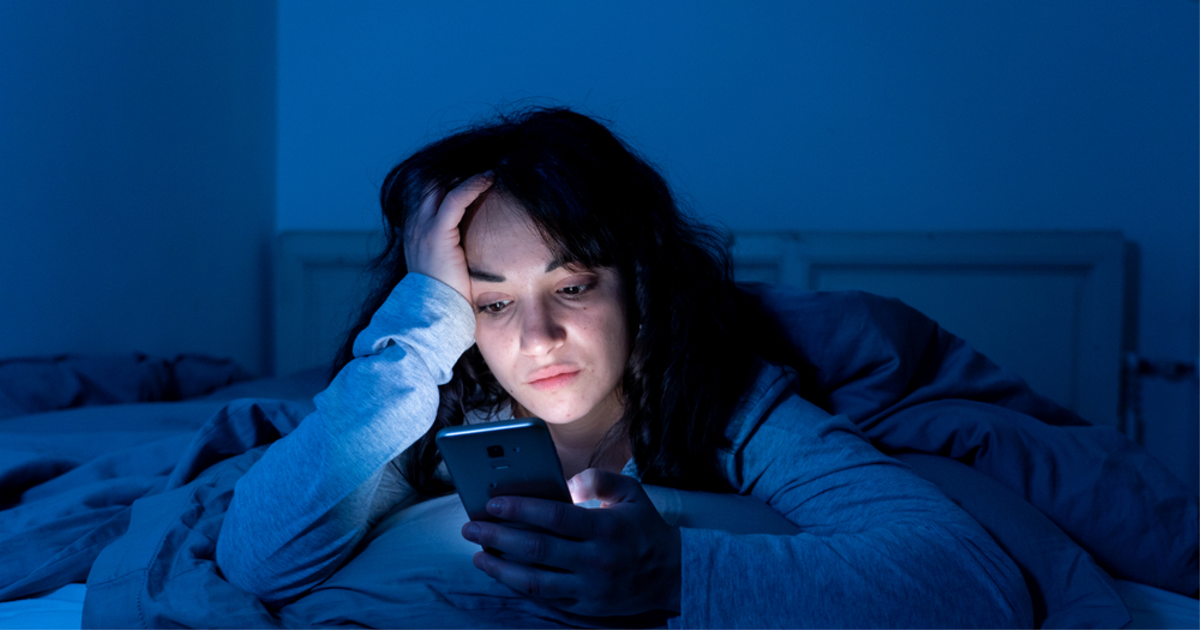
Have you ever felt completely exhausted, even after a full night’s sleep, only to find yourself mindlessly scrolling through Instagram five minutes after waking up?
You aren’t lazy, and you aren’t failing at life—you are likely experiencing the silent erosion of your cognitive health known as digital burnout from smartphone use.
The Invisible Thief: Understanding Digital Burnout from Smartphone Use
We live in an era where our pockets contain the sum of all human knowledge, yet we’ve never felt more distracted, anxious, or mentally drained.
This isn’t just a “bad habit.” It is a physiological shift in how your brain processes reality. Digital burnout is the state of emotional, mental, and physical exhaustion caused by the relentless bombardment of digital stimuli.
When we talk about digital burnout from smartphone use, we aren’t just talking about tired eyes; we are talking about a fundamental rewiring of our neurological pathways.
Why Your Brain Craves the Very Thing That Exhausts It
The human brain evolved to seek out novelty. In the wild, a new sound or a flash of color could mean food or a predator. Today, that survival mechanism has been hijacked by Silicon Valley.
Every notification, “like,” or red bubble triggers a hit of dopamine—the “reward” chemical. However, the problem with smartphone addiction effects on the brain is that these hits are cheap and constant.
According to research published by Harvard Medical School, dopamine doesn’t just make us feel good; it creates a “reward-seeking” loop. This loop forces you to keep scrolling even when you aren’t enjoying the content anymore.
The Dopamine Debt
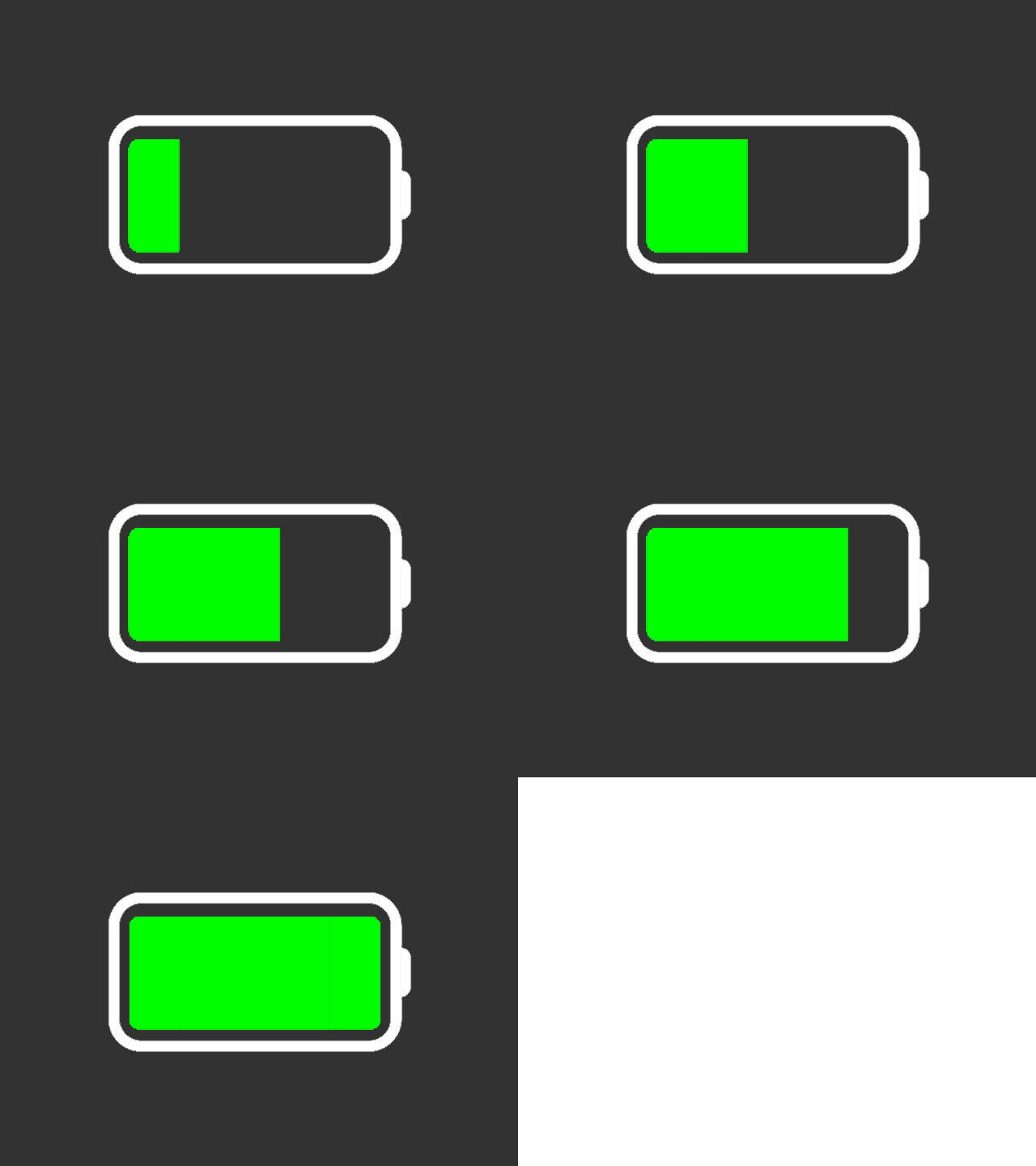
Think of your brain like a battery. Every time you check your phone, you draw a small amount of current. In a world of infinite scrolls, your battery never gets a chance to recharge. You are living in a state of “Dopamine Debt.”

Smartphone Addiction Effects on the Brain: The Science of Your Rewired Mind
If you feel like your attention span is shorter than it was five years ago, you’re right. Smartphone addiction effects on the brain are measurable and alarming.
Neuroscientists have found that heavy smartphone use can lead to a thinning of the prefrontal cortex—the area of the brain responsible for critical thinking, impulse control, and emotional regulation.
-
Decreased Gray Matter: Excessive screen time is linked to reduced gray matter density in areas responsible for empathy and decision-making.
-
The Amygdala Hijack: Constant notifications keep your amygdala (the fear center) in a state of high alert, leading to chronic cortisol spikes.
-
Neuroplasticity in Reverse: Instead of learning new skills, our brains are becoming “expert” at scanning fragments of information without retaining depth.
“The tools we use to stay connected are the very tools disconnecting us from our own cognitive potential.”
The Comparison: Healthy Use vs. Digital Burnout
It can be hard to tell when you’ve crossed the line from “staying informed” to “suffering from burnout.” The following table breaks down the key differences.
Digital Health Comparison Table
| Feature | Healthy Digital Habit | Digital Burnout from Smartphone Use |
| Morning Routine | Meditation or movement before checking phone. | Reaching for the phone before even opening both eyes. |
| Attention Span | Can read 10+ pages of a book without distraction. | Struggles to watch a 60-second video without skipping. |
| Emotional State | Technology feels like a useful tool. | Technology feels like an inescapable burden or “itch.” |
| Physical Cues | Awareness of posture and eye strain. | “Phantom vibration syndrome” and neck pain (Text Neck). |
| Social Interaction | Phone stays in pocket during dinner. | Checking notifications under the table during conversations. |
The Five Stages of Digital Burnout from Smartphone Use
Digital burnout doesn’t happen overnight. It is a slow creep that moves through these five distinct stages:
-
The Reflexive Reach: You pick up your phone without even knowing why.
-
The Infinite Scroll: You realize you’ve spent an hour on an app and can’t remember a single thing you saw.
-
The Focus Fracture: You find it impossible to finish a single task without “checking in” on social media.
-
The Emotional Numbness: You use your phone to escape uncomfortable feelings, leading to a “zombie” state.
-
The Full Crash: Total mental exhaustion, irritability, and a feeling of being “disconnected” from the real world.
If you find yourself in stage 4 or 5, it is time for an immediate intervention to mitigate the smartphone addiction effects on the brain.
Why “Digital Minimalism” is the Only Cure
You’ve probably heard of a “Digital Detox.” The problem? Most people treat it like a crash diet. They go offline for a weekend, then go right back to their old habits on Monday.
To truly heal from digital burnout from smartphone use, you need a lifestyle shift. This is where Digital Minimalism comes in.
1. The 20-Foot Rule
Never keep your phone within 20 feet of your bed. The “blue light” emitted by screens suppresses melatonin production, which is a major factor in smartphone addiction effects on the brain and sleep quality.
2. The “Grey-Scale” Hack
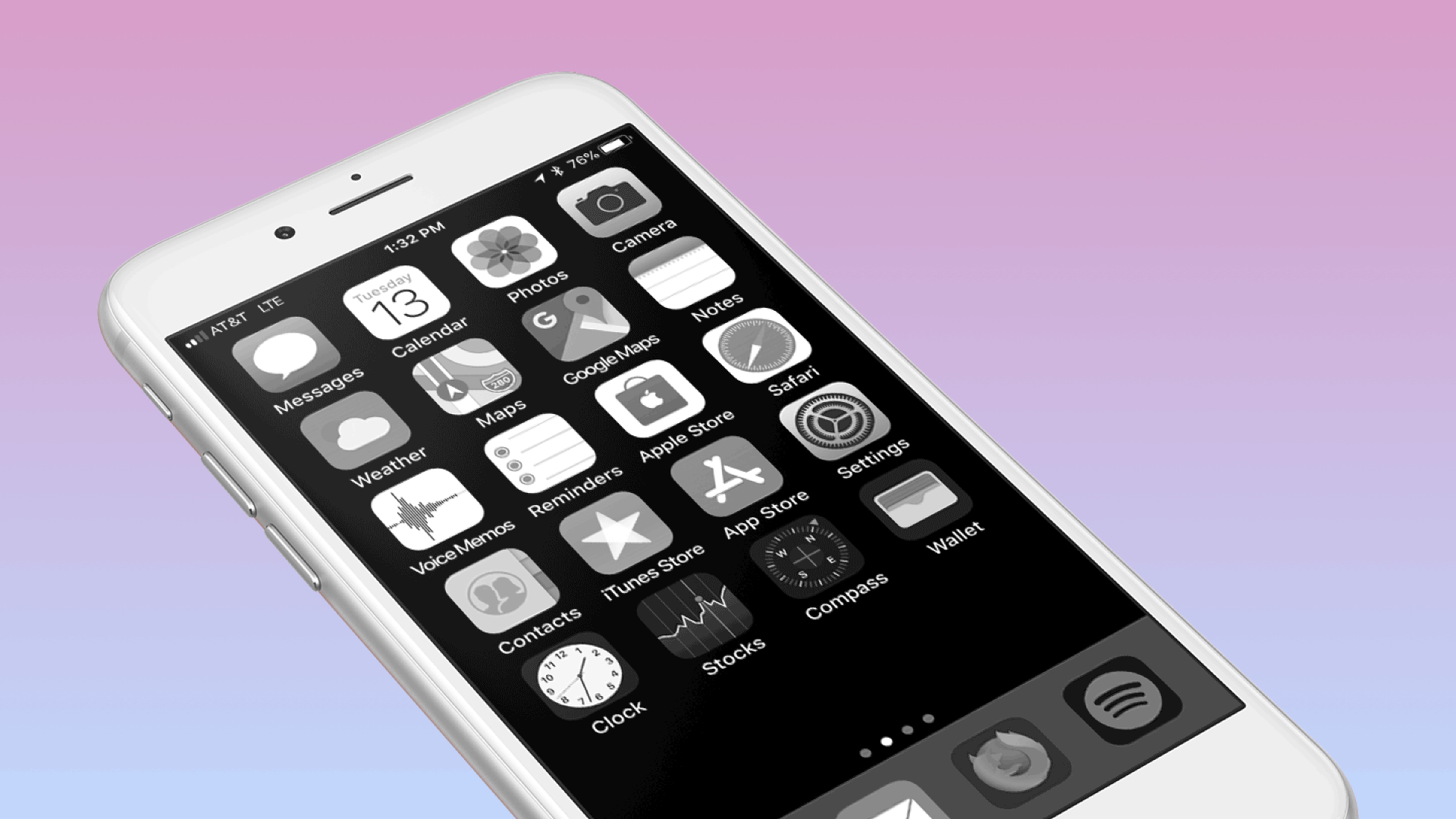
Our brains are hardwired to love bright, shiny colors. By turning your phone screen to grayscale (black and white), you strip away the “candy” aspect of the interface. Instagram becomes significantly less addictive when it looks like a 1940s newspaper.
3. Notification Audits
If a notification doesn’t come from a real human (a text or a call), turn it off. You do not need to know that a random person liked a photo or that a shopping app has a 10% discount.
The Role of Cortisol in Digital Burnout from Smartphone Use
Every time your phone pings, your body releases a tiny micro-dose of cortisol—the stress hormone. Over time, these micro-doses add up to chronic stress.
Chronic stress doesn’t just make you grumpy; it physically ages your cells. Research found on Nature.com highlights how prolonged exposure to digital stressors can impair the brain’s ability to switch between tasks effectively.
When you are suffering from digital burnout from smartphone use, your brain is essentially stuck in “fight or flight” mode. This is why you feel jumpy, anxious, and unable to relax even when you are on vacation.
Reclaiming Your Cognitive Sovereignty: A Step-by-Step Guide
How do we fight back against an industry that spends billions to keep us hooked? We use their own psychology against them.
Step 1: Audit Your Screen Time
Go into your settings and look at your “Screen Time” or “Digital Wellbeing” stats. Be honest with yourself. If you spend 4 hours a day on your phone, that is 28 hours a week—a part-time job you aren’t getting paid for.
Step 2: Establish “No-Go” Zones
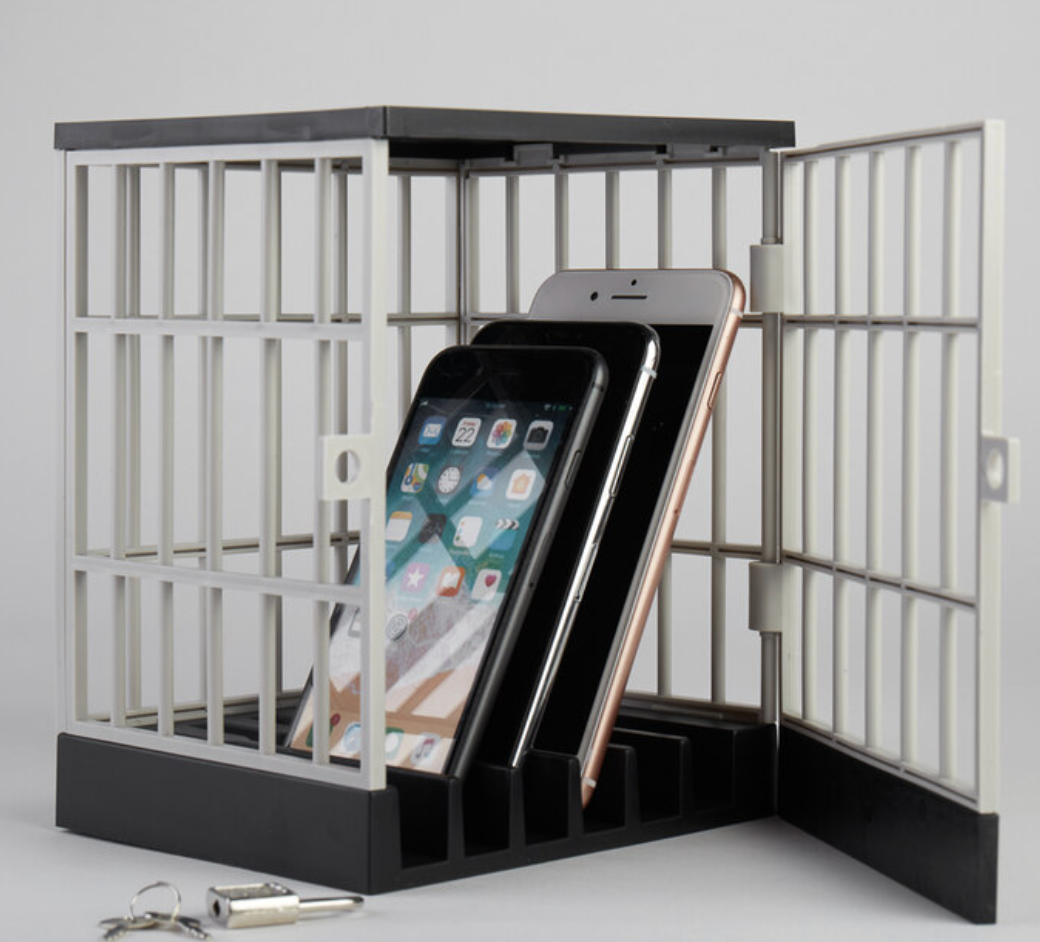
Create physical spaces in your home where phones are strictly prohibited. The dining table and the bedroom should be sacred.
Step 3: Rediscover “Analog” Hobbies
Your brain needs tactile stimulation. Paint, garden, cook, or build something. These activities engage the motor cortex and provide a different kind of “dopamine” that is sustainable and rewarding.
Step 4: The 24-Hour Fast
Once a week, try a 24-hour digital fast. No phone, no laptop, no TV. It will be incredibly uncomfortable for the first four hours. That discomfort is your brain “resetting” its dopamine baseline.
The Future of the “Always-On” Culture
As we move toward an even more connected world with AI and VR, the risk of digital burnout from smartphone use will only increase. We are the first generation of humans to act as guinea pigs for this technology.
The “Hidden Truth” is that we weren’t built for this. Our brains are biological masterpieces designed for deep connection, nature, and focused movement. When we cram them into 6-inch glass boxes, something has to give.
By recognizing the smartphone addiction effects on the brain now, you are giving yourself a competitive advantage in the future. In an age of distraction, focus is a superpower.

Frequently Asked Questions (FAQ)
What are the main symptoms of digital burnout from smartphone use?
Symptoms include chronic mental fatigue, inability to focus on long-form content, increased anxiety when away from your phone, sleep disturbances, and a feeling of “brain fog.”
Can smartphone addiction effects on the brain be reversed?
Yes. Thanks to neuroplasticity, the brain can heal. By implementing digital minimalism, engaging in deep work, and prioritizing sleep, you can restore your prefrontal cortex’s health and improve your attention span.
How much screen time is considered “too much”?
While it varies by person, research suggests that more than 2-3 hours of non-work-related screen time per day is associated with higher levels of stress and lower psychological well-being.
Does “Blue Light” really matter?
Absolutely. Blue light mimics sunlight, telling your brain to stop producing melatonin. This disrupts your circadian rhythm, which is a core pillar of preventing digital burnout.
Why do I feel anxious when I don’t have my phone?
This is known as “Nomophobia.” It is a withdrawal symptom of smartphone addiction. Your brain has become reliant on the constant stream of external validation and information.
The Bottom Line: Your Life is Happening Now
You only get one brain and a finite amount of time. Every minute spent in the “dead zone” of an infinite scroll is a minute you aren’t building your dreams, connecting with loved ones, or simply being.
Digital burnout from smartphone use is the plague of the 21st century, but it is one you have the power to cure.
Put the phone down. Breathe. Look at the world around you.
The most important notifications aren’t on your screen—they are in your life.
Read More: The Hidden Stress Triggers Inside Your Home Stealing Your Sleep, Energy & Mood Daily (Revealed)
Share Now to help someone else break the cycle of digital burnout.