The Shocking Sleep Hygiene Secret: Is Your Home Harboring Hidden Stress Triggers That Steal Your Life?
You’ve done everything “right.” You bought the expensive weighted blanket, you stopped drinking coffee at noon, and you even tried that lavender pillow spray everyone on TikTok is raving about.
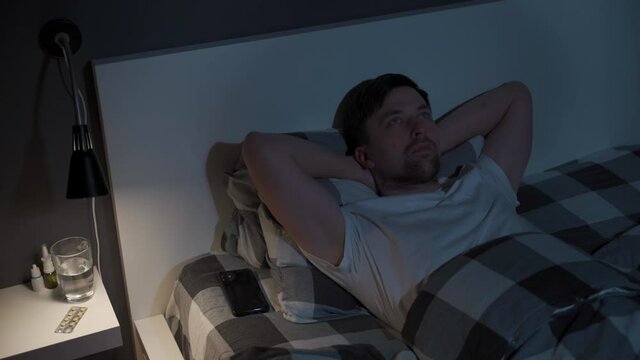
Yet, here you are again—staring at the ceiling at 3:14 AM, your mind racing like a Formula 1 driver while your body feels like lead. It’s frustrating, it’s exhausting, and frankly, it’s starting to affect your work, your relationships, and your sanity.
What if I told you that the culprit isn’t your lack of willpower or a biological “glitch”? What if the very walls of your home are working against you?
There is a silent epidemic of poor sleep hygiene fueled by Hidden Stress triggers tucked away in your bedroom, your kitchen, and even your smartphone. Today, we are going to expose these invisible thieves and give you the blueprint to reclaim your rest.
The Invisible Architecture of Rest: What is Sleep Hygiene Really?
Most people think sleep hygiene is just a fancy way of saying “brush your teeth and go to bed.” But as a senior strategist in the wellness space, I can tell you it’s much deeper than that.
Sleep hygiene is the science of environmental and behavioral optimization. It’s about creating an ecosystem where your nervous system feels safe enough to shut down.
When your environment is cluttered with Hidden Stress, your brain stays in a state of “high alert.” Evolutionarily, if your “cave” didn’t feel safe, you didn’t sleep—because if you did, you’d be eaten.
Modern stressors aren’t sabertooth tigers; they are blinking LED lights, fluctuating room temperatures, and the psychological weight of an unread inbox.
Why Your Current Routine Isn’t Working
You might be practicing “surface-level” sleep hygiene while ignoring the structural issues. If you’re scrolling through “relaxing” news updates before bed, you’re hitting your brain with a chemical cocktail of dopamine and cortisol.
According to the Sleep Foundation, the quality of your sleep environment is just as important as the duration of your rest. Without a foundation of peace, your body remains stuck in a sympathetic nervous system “fight or flight” loop.
The First Thief: The “Junk Light” Apocalypse
We talk a lot about blue light, but we rarely talk about its psychological cost. Your eyes are essentially an extension of your brain. When they detect short-wavelength blue light from your phone or overhead LED bulbs, they signal to your pineal gland to stop producing melatonin.
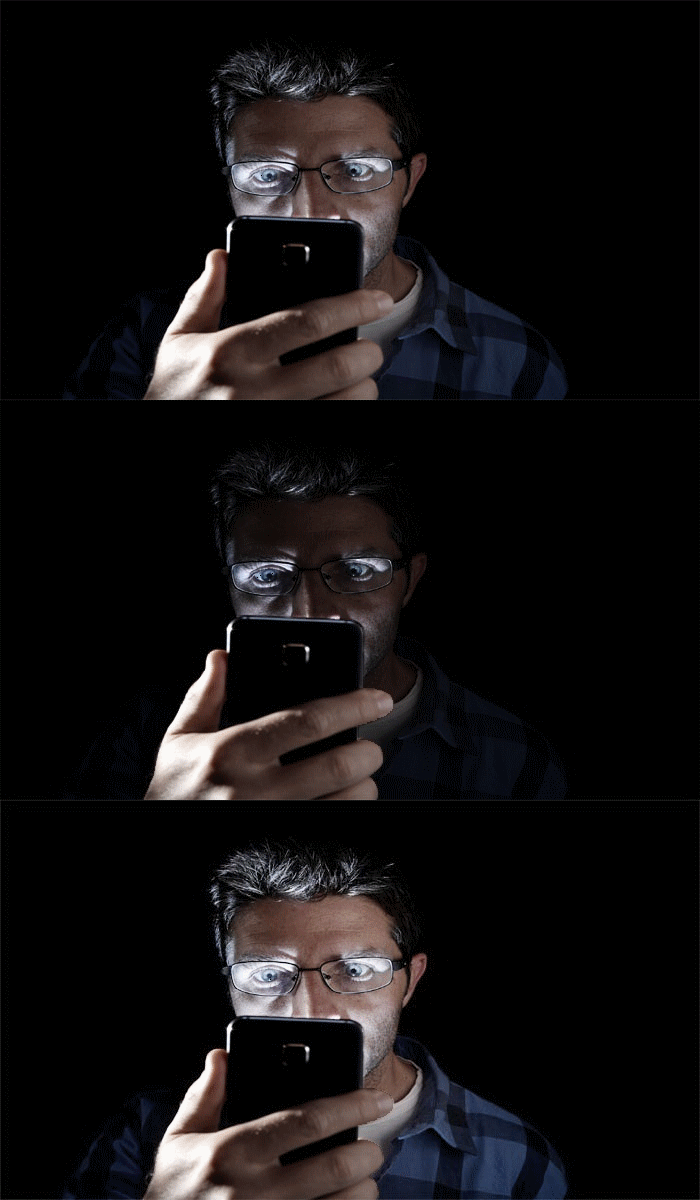
But the Hidden Stress of light goes beyond your phone. It’s the “vampire lights” on your power strips, the streetlamp peeking through your curtains, and even the “cool white” bulbs in your bathroom that you use right before bed.
The Melatonin vs. Cortisol Tug-of-War
When you expose yourself to artificial light late at night, you aren’t just “staying awake.” You are actively inducing a stress response. Your body thinks it’s dawn, so it pumps out cortisol to get you ready for the day.
Imagine trying to park a car while someone is flooring the gas pedal. That’s what’s happening to your brain.
The Second Thief: The “Digital Ghost” in Your Room
Your bedroom should be a sanctuary for two things: sleep and intimacy. Instead, for most of us, it has become a satellite office, a cinema, and a social hub.
This creates a phenomenon called “associative activation.” When you look at your bed, your brain doesn’t just think “sleep.” It thinks “that stressful email from my boss” or “that argument I saw on X (formerly Twitter).”
This is a massive Hidden Stress trigger. Even if your phone is face down, the mere presence of it in the room can reduce cognitive capacity and increase anxiety. Your subconscious is constantly waiting for the next “ping.”
How to Perform a Digital Detox for Better Sleep Hygiene
-
The 90-Minute Rule: Turn off all screens 90 minutes before your head hits the pillow.
-
Charging Station: Charge your phone in the kitchen or the living room.
-
Analog Alternatives: Use a dedicated alarm clock (yes, they still make those) instead of your phone.
The Third Thief: The Scent of Anxiety
Did you know that your sense of smell is the only sense directly linked to the emotional center of your brain (the amygdala)?
Many people use synthetic air fresheners or laundry detergents with heavy fragrances. While they might smell “clean,” they often contain volatile organic compounds (VOCs) that can irritate your respiratory system and keep your body in a state of low-grade Hidden Stress.
On the flip side, practicing good sleep hygiene involves using scents to “anchor” your brain into a state of relaxation. Scents like lavender, bergamot, and sandalwood have been shown to lower heart rate and blood pressure.
The Fourth Thief: The Temperature Trap
Your body temperature needs to drop by about 2–3 degrees Fahrenheit to initiate sleep. If your room is too hot, your body spends all its energy trying to thermoregulate instead of entering deep REM cycles.
Most experts, including those at the Mayo Clinic, suggest that the ideal room temperature for sleep is approximately 65°F (18°C).
The Science of the “Cool Down”
When your core temperature drops, it sends a powerful signal to the brain that it’s time to hibernate. This is why a warm bath before bed works—not because it heats you up, but because it draws the blood to the surface of your skin, causing your core temperature to plummet once you get out.
The Fifth Thief: Auditory Pollution and the “Startle” Response
You might think you’ve “gotten used to” the sound of the city traffic or the hum of the refrigerator. But your brain never truly stops listening.
Hidden Stress from noise pollution causes micro-awakenings. These are moments where you don’t fully wake up, but your brain shifts from deep sleep to light sleep. You wake up feeling like you’ve been hit by a truck, wondering why you’re tired despite “sleeping” for 8 hours.

Using Sound to Your Advantage
-
White Noise: Masks sudden spikes in sound (like a barking dog).
-
Pink Noise: Sounds like steady rain; it’s been linked to increased deep sleep.
-
Brown Noise: A deeper, rumbling sound that can be incredibly soothing for those with ADHD or racing thoughts.
Comparing the Sleep Stealers vs. Sleep Healers
To help you visualize the impact of your environment, let’s look at this comparison table:
| The Sleep Stealer (Hidden Stress) | The Sleep Healer (Optimal Sleep Hygiene) | Impact on Mood & Energy |
| Blue Light (Phones/LEDs) | Amber/Red Light or Total Darkness | Boosts Melatonin Production |
| Room Temp > 72°F | Room Temp 65°F – 68°F | Facilitates Deep REM Cycles |
| Digital Clutter (Devices in bed) | Device-Free Sanctuary | Lowers Nighttime Cortisol |
| Synthetic Fragrances (VOCs) | Essential Oils (Lavender/Cedar) | Calms the Nervous System |
| Erratic Sleep Schedule | Consistent Wake/Sleep Times | Regulates Circadian Rhythm |
| Caffeine after 2:00 PM | Herbal Teas (Chamomile/Magnesium) | Prevents Adenosine Blockage |
The Emotional Toll: Why “Pushing Through” is Killing Your Productivity
We live in a culture that treats sleep like a luxury. “I’ll sleep when I’m dead,” we say. But the reality is that poor sleep hygiene makes you “dead” while you’re still walking.
When you live with Hidden Stress in your home, your emotional regulation is the first thing to go. You become more reactive, less creative, and more prone to burnout.

Chronic sleep deprivation is linked to:
-
Increased irritability and mood swings.
-
Difficulty with complex decision-making.
-
Reduced empathy for others.
-
A heightened sense of “doom” or generalized anxiety.
By cleaning up your sleep environment, you aren’t just getting better rest; you are performing an act of emotional self-defense.
The 3-Day Sleep Hygiene Audit: A Practical Guide
Ready to transform your home? Don’t try to change everything at once. Follow this 3-day plan to root out Hidden Stress.
Day 1: The Visual & Light Audit
-
Check every room for “vampire lights.” Cover them with black electrical tape.
-
Swap out your bedside lamp bulb for a warm-toned, low-wattage bulb.
-
Install blackout curtains or use a high-quality eye mask.
Day 2: The Digital & Spatial Audit
-
Move your phone charger out of the bedroom.
-
Clear any “work-related” items from your sightline when you’re in bed.
-
If you have a TV in your room, try unplugging it for one night.
Day 3: The Sensory & Chemical Audit
-
Change your sheets (the feeling of clean cotton reduces stress).
-
Open the windows for 10 minutes to clear out stale air and VOCs.
-
Set your thermostat to 65°F two hours before bed.
Advanced Sleep Hygiene: Beyond the Basics
For those who have mastered the basics and are still looking for that extra 10% edge, let’s talk about biophilic design.
Biophilic design is the practice of bringing nature into your living space. Studies show that having indoor plants can lower stress levels and improve air quality. Plants like the Snake Plant or Aloe Vera are unique because they actually release oxygen at night, which can slightly improve the air quality around your bed.

Furthermore, consider the texture of your environment. Hidden Stress can come from tactile discomfort. If your pillows are more than two years old, they are likely filled with allergens and have lost their structural integrity. Investing in your “sleep hardware” is an investment in your mental health.
The Psychology of the “Wind-Down” Ritual
The human brain loves transitions. We don’t just “shut off.” We need a ramp to descend from the high-speed highway of our day into the quiet country road of sleep.
Your sleep hygiene routine should include a ritual that tells your brain: “The day is done. You are safe.”

A Sample 30-Minute Ritual:
-
T-Minus 30: Dim all lights to 20% capacity.
-
T-Minus 20: Gentle stretching or “brain dumping” in a journal to clear out Hidden Stress thoughts.
-
T-Minus 10: Slow, deep breathing (4-7-8 technique).
-
Sleep: Lights out, eyes closed, focus on the weight of your body against the mattress.
Frequently Asked Questions (FAQ)
What is the most important factor in sleep hygiene?
While all factors matter, consistency is the most vital. Going to bed and waking up at the same time every day (including weekends) anchors your circadian rhythm and reduces the Hidden Stress of “social jetlag.”
Can I still use my phone if I use a blue light filter?
A blue light filter helps, but it’s not a magic bullet. The content you consume (social media, news, work emails) triggers psychological arousal and dopamine hits, which are just as disruptive as the light itself.
How do I know if I have Hidden Stress triggers in my home?
If you feel a sense of “tightness” or the inability to fully relax when you enter your bedroom, you likely have stressors. Common triggers include clutter, work-related items, bright lights, and noise.
Does magnesium help with sleep hygiene?
Magnesium can support the nervous system and muscle relaxation, making it easier to fall asleep. However, supplements should supplement—not replace—a solid environmental sleep hygiene foundation.
How long does it take to see results?
Most people notice a difference in their energy levels within 3 to 7 days of consistently optimizing their environment and routine.
Conclusion: Reclaiming Your Sanctuary
Your home should be the place where the world stops making demands on you. By addressing the Hidden Stress triggers lurking in your environment, you aren’t just fixing your sleep—you’re fixing your life.
Better sleep hygiene leads to better moods, higher productivity, and a more resilient version of yourself. Don’t let another night go by where your home steals your vitality.
The power to change your energy starts with a single choice tonight. Will you turn off the light, or will you let the “thieves” keep winning?
Ready to dive deeper into optimizing your life?
Found this helpful?
Share Now with a friend who’s always tired!