Table of Contents
ToggleIntroduction
What if you could get a doctor — day or night — without leaving your bed, and with secret features even doctors rarely mention? Welcome to the new age of telehealth.
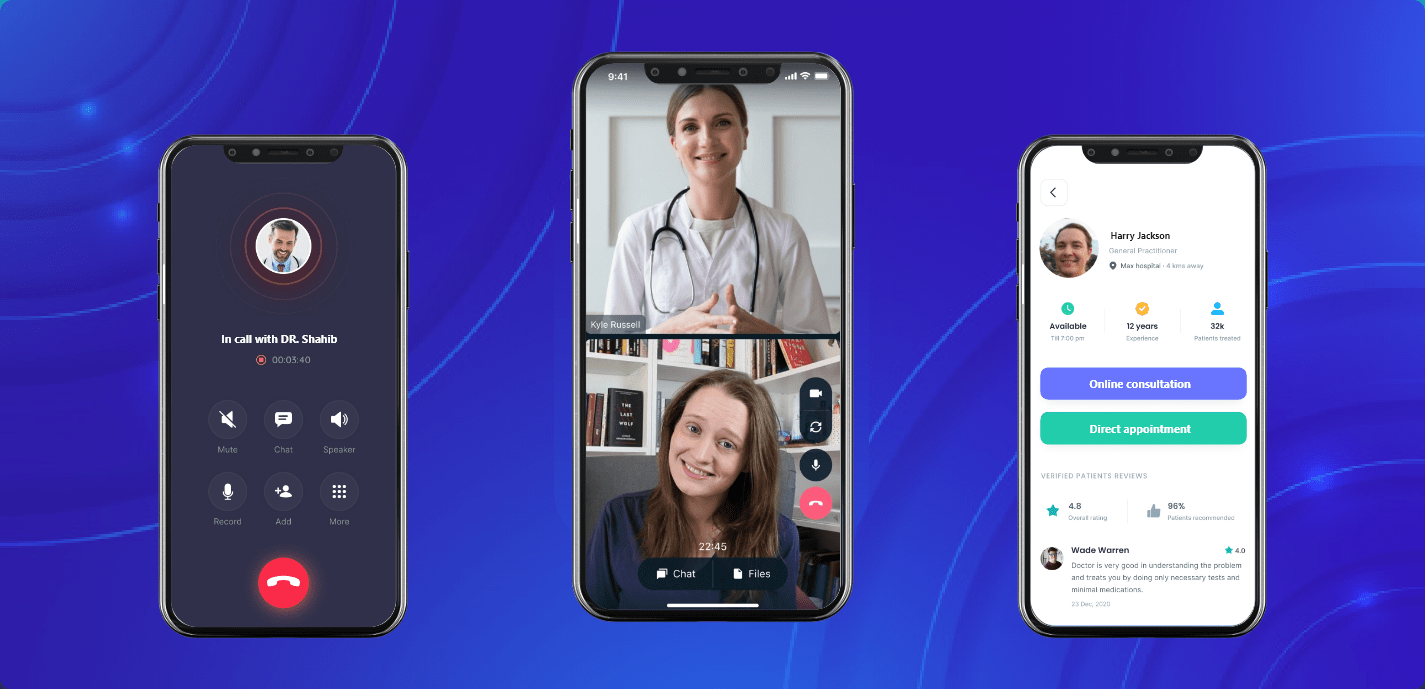
Healthcare is evolving — fast. Telehealth apps are no longer a novelty. They have become a lifeline, especially when urgent care is what you need. But underneath their sleek interfaces lie powerful tools and hidden features that many patients (and even some doctors) aren’t fully aware of — until they save the day.
In this post, we expose the top-rated telehealth apps for urgent care and reveal the little-known superpowers behind them.
Why Telehealth Apps Are Exploding in 2025
Telehealth is no longer just about convenience. As of 2025, remote care platforms have incorporated advanced tools like real-time data integration from wearables, AI triage, and remote monitoring. emedhealthtech.com+2rovetek.com+2
These changes mean that telehealth isn’t just for colds or the flu anymore — it’s increasingly used for chronic condition management, mental health support, dermatology, and even long-term wellness. Wikipedia+2Teledocto+2
This growth has transformed how people access urgent care — no waiting rooms, no long commutes, just timely care at your fingertips.
What Makes a “Top-Rated Telehealth App” for Urgent Care?
Before diving into the best apps, it’s worth understanding what criteria determine their ranking. Based on user feedback and industry analysis, the following matter the most: fasthealthtools.com+2goodfairbetter.com+2
-
Availability & speed — 24/7 access, with minimal wait times
-
Quality of providers — board-certified doctors, specialists, licensed therapists
-
Prescription & pharmacy services — ability to get prescriptions or refills directly to a pharmacy
-
Cost transparency & affordability — clear pricing, or coverage via insurance
-
Ease of use & reliability — intuitive interfaces, stable video/audio, clear navigation
Top Telehealth Apps for Urgent Care (and Their Hidden Powers)
| App | What It’s Known For | Hidden / Lesser-Known Features |
|---|---|---|
| Teladoc Health | Largest global telehealth provider; all-around care | Chronic condition management, mental health, nutrition/weight management, diabetes & hypertension programs Wikipedia+2teladochealth.com+2 |
| MDLIVE | Urgent care (illnesses, injuries), therapy, dermatology | On-demand care in ~15 min, prescription renewals, shared summary with your local doctor, mental health & skin care services mdlive.com+2mdlive.com+2 |
| Doctor On Demand | Virtual urgent care + mental health support | Accepts many insurance plans (many visits can be free), covers wide range of conditions including STDs, routine and urgent care Doctor On Demand+1 |
| Amwell | Family-friendly care, general medicine, specialty care | Extensive provider network across specialties, accessible with or without insurance, good for pediatric, women’s health, nutrition & wellness follow-up Jotform+2Teledocto+2 |
| PlushCare | High-quality primary & urgent care, strong user satisfaction | Same-day appointments, prescription services, comprehensive primary care and follow-up care (beyond just urgent visits) Fox News+1 |
What Sets These Apps Apart
-
24/7 / On-demand access — For apps like MDLIVE and Doctor On Demand, you don’t need to wait days. Sick at midnight? You can see a doctor in minutes. mdlive.com+1
-
Beyond emergencies: chronic & preventive care — With Teladoc and Amwell, you can use telehealth not just for urgent issues, but for long-term wellness: managing diabetes, hypertension, mental health, nutrition, etc. Wikipedia+2Jotform+2
-
Prescription & pharmacy integration — Many allow e-prescriptions or renewals, so you don’t need to visit a pharmacy in person. mdlive.com+2app.mdlive.com+2
-
Mental health & wellness care included — Telehealth isn’t just about physical ailments. Several apps offer therapy, counseling, or psychiatry, broadening what “urgent care” can mean. teladochealth.com+2Doctor On Demand+2
The Shocking Hidden Features — What Most Users (And Even Doctors) Don’t Realize
1. Telehealth for Chronic, Not Just Acute Conditions
While many view telehealth as a stopgap for urgent, short-term issues (like colds or rashes), top apps now let you manage chronic illnesses — diabetes, hypertension, weight management, lifestyle counselling — without stepping into a clinic. Teladoc, for instance, offers programs for diabetes & hypertension care. teladochealth.com+2InfoStride+2
This means telehealth can replace or supplement consistent, long-term in-person care, making it a real health partner, not just a convenience.
2. Mental Health + Physical Health + Wellness — All in One Place
Think urgent care is only about physical health? Think again. Many of these top apps combine urgent care, preventive care, and mental health — so you could treat a flu, get therapy for stress, and get nutritional advice with the same app. teladochealth.com+2mdlive.com+2
That convergence blurs traditional boundaries: urgent care ≠ only physical; wellness ≠ only in gyms; mental health ≠ separate doctor visits.
3. E-prescriptions & Integration With Local Pharmacies or Labs
Beyond video calls, these apps can send prescriptions directly to a pharmacy, sometimes even enabling renewals — eliminating the “doctor visit → pharmacy run → delays” loop. mdlive.com+2app.mdlive.com+2
Some even support lab orders and referrals, meaning you get nearly full 서비스 virtually. rovetek.com+2Teledocto+2
4. Insurance & Cost Transparency (or No Insurance Needed)
Unexpected bills from emergency room visits are often a nightmare. With these apps, many visits are transparent — or covered by insurance. For example, some services via Doctor On Demand can even be free depending on your insurance or employer benefits. Doctor On Demand+1
For uninsured or underinsured patients, many apps still offer affordable “out-of-pocket” pricing.
5. Access & Convenience — Anytime, Anywhere
The time you spend traveling to a clinic — or the inconvenience of long waits — disappears. These apps give access wherever you are (internet/stable cellphone reception required), at any time. teladochealth.com+2mdlive.com+2
For people in remote areas, or in places with limited access to specialists, that’s life-changing.
Potential Downsides & What You Should Know Before You Rely Fully on Telehealth
Telehealth isn’t perfect. As promising as it is, there are caveats:
-
Not for emergencies — If you’re having a severe condition (e.g. chest pain, stroke, serious trauma), telehealth is not a substitute for immediate in-person emergency care. Most apps warn against using telehealth in emergencies. (As one app noted: “telehealth is not for emergencies.”) App Store+1
-
Limited by geography and regulations — Many telehealth services (especially U.S.-based) only operate in certain states or countries. If you’re outside those areas, or in a jurisdiction with strict licensing laws, you might be unable to use them. Inter-American Development Bank+1
-
Not all conditions can be treated virtually — Some ailments require physical exams, lab tests, imaging, or in-person procedures. Telehealth can supplement, but not fully replace, traditional care.
-
Privacy & data security — Even though top platforms claim compliance with laws like HIPAA (in the U.S.), virtual care always carries some risk around data sharing or breaches. It’s wise to review privacy policies, especially when sending sensitive health data.
Who Should Use Telehealth Apps — And When
Telehealth apps shine in several situations:
-
You’re at home, traveling, or in a remote location with limited access to a clinic
-
You need medical advice outside of regular clinic hours — nights, weekends, holidays
-
You need quick care for minor but urgent issues: cold, flu, rash, UTI, sinus infection, minor injuries
- You manage chronic conditions and want regular follow-up or preventive care
- You also want mental health support, therapy, or wellness services in a more accessible, flexible format
In short: telehealth is ideal when you want fast, flexible, and convenient care — without sacrificing quality.
Quick Comparison: Which App Is Best for What
| If you want… | Consider… |
|---|---|
| The largest network & all-around care (urgent, chronic, mental health, wellness) | Teladoc Health |
| Fast & affordable urgent care visits (cold, flu, infections, etc.) | MDLIVE, Doctor On Demand |
| Family-friendly, specialty care (pediatrics, women’s health, nutrition) | Amwell |
| High-quality primary care + same-day appointments | PlushCare |
| Mental health support alongside physical care | Teladoc, MDLIVE, Doctor On Demand |
Why Many Doctors (and Even Patients) Didn’t See These Features Coming
Because telehealth started as an emergency measure — a quick fix during the pandemic or when physical access was limited.
What many didn’t expect was how rapidly the technology and infrastructure would evolve. Features like chronic care programs, e-prescriptions, integrated pharmacy orders, mental health services, and 24/7 availability used to belong only to in-person clinics.
Suddenly, apps aren’t just a convenience — they’re a full-blown alternative to traditional care, sometimes more comprehensive. That’s a paradigm shift many didn’t foresee.
And that’s why these “hidden” features feel so shocking. Instead of telehealth being a stop-gap — it’s becoming a primary channel for many.
FAQ — All Your Burning Questions Answered
Q: Are telehealth apps safe and legitimate?
Yes — many, like Teladoc, MDLIVE, Amwell, and Doctor On Demand, use board-certified, licensed doctors, offer secure video/phone consultations, and comply with relevant privacy regulations (e.g. HIPAA in the U.S.). teladochealth.com+2mdlive.com+2
Q: Can telehealth apps prescribe medications?
Yes — most of the top apps support e-prescriptions and can send your prescription to a linked pharmacy or allow you to renew existing prescriptions. mdlive.com+1
Q: What kinds of conditions can be treated via telehealth?
Common non-emergency conditions such as flu, cold, sinus infections, ear infections, rashes, UTIs, allergies, skin issues, and even mental health concerns like anxiety or depression. Many apps also offer chronic care and preventive care services. mdlive.com+2Jotform+2
Q: Is telehealth only for people with health insurance?
No. Some platforms provide care regardless of insurance, offering transparent out-of-pocket pricing. Others accept insurance, which may reduce or eliminate out-of-pocket costs depending on coverage. Doctor On Demand+1
Q: Can telehealth replace in-person doctor visits entirely?
Not always. For emergencies, complex conditions requiring lab tests, imaging, or procedures, in-person visits remain essential. Telehealth is best for urgent non-emergency care, follow-ups, chronic disease management, and preventive or wellness care.
Conclusion — Telehealth is No Longer a “Backup Plan”
We used to think of telehealth as a convenient backup — nice to have when you’re too sick to leave the house, or when you don’t want to wait in a crowded clinic.
But the top-rated telehealth apps for urgent care — Teladoc Health, MDLIVE, Doctor On Demand, Amwell, and PlushCare — are quietly dismantling that assumption.
With features like 24/7 access, e-prescriptions, chronic condition management, mental health support, and wide provider networks, these platforms are evolving into full-scale healthcare solutions.
If you’ve never tried telehealth — maybe now is the time to explore what “doctor in your pocket” really means.
Ready to reclaim control of your health — from anywhere, anytime? Explore these top telehealth apps and experience urgent care like never before. Share now with friends and family who deserve easier, smarter healthcare.
Tags:
- 24/7 urgent care online
- best online doctor apps
- best telehealth apps 2025
- digital health apps
- healthcare apps
- online doctor consultation
- online medical care
- online urgent care
- remote healthcare apps
- telehealth apps
- telehealth services for urgent care
- telehealth urgent care reviews
- telemedicine apps
- telemedicine services
- top medical apps
- Top-Rated Telehealth Apps for Urgent Care
- urgent care apps
- urgent care telehealth platforms
- virtual doctor apps
- virtual urgent care services